

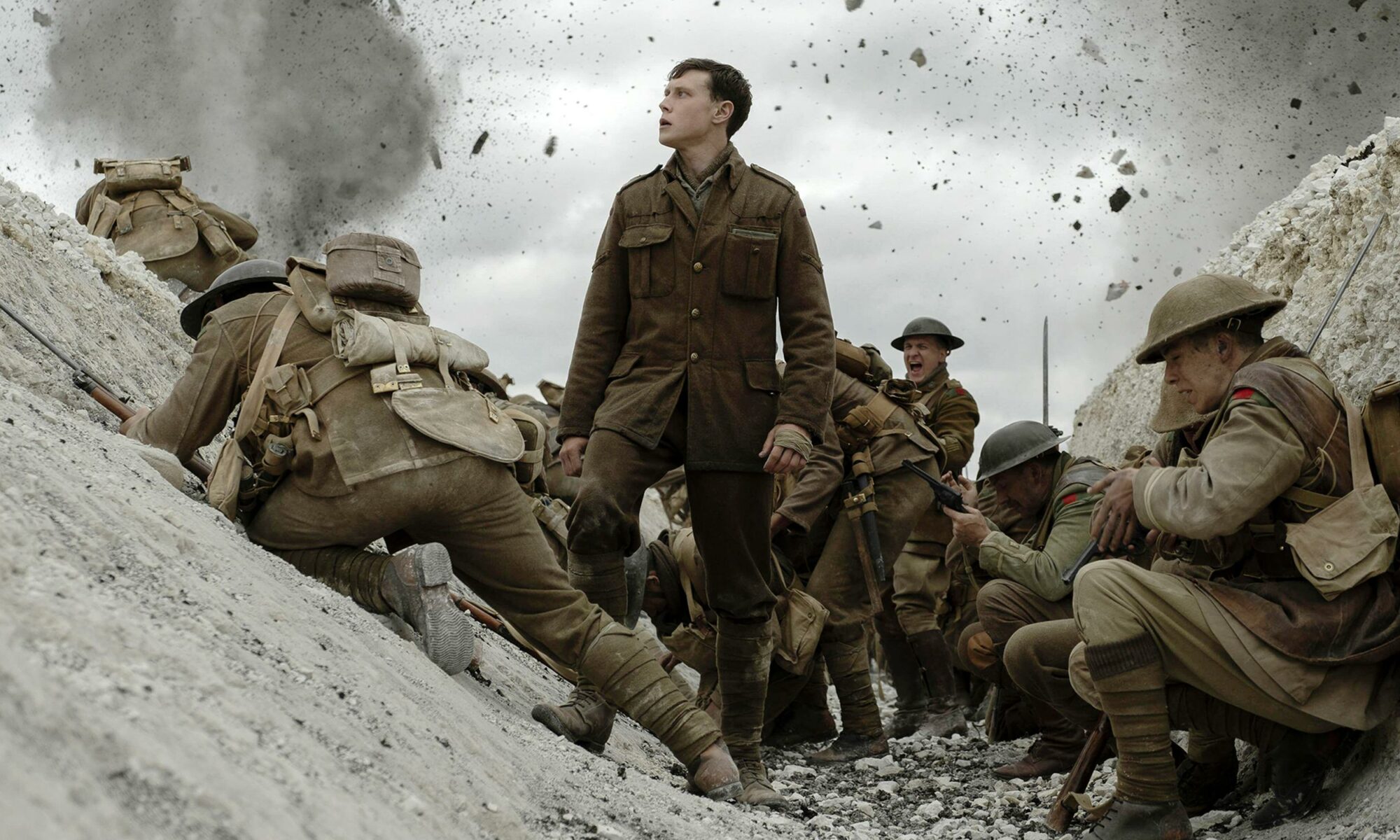

Historical Facts of World War I
Unprecedented Explosions
The detonation of over 431,000 kilograms of explosives by British miners at Messines Ridge, Belgium, remains one of history’s most powerful non-nuclear blasts. The explosion successfully decimated the German front lines and was so immense that the sound traveled 140 miles, reaching Prime Minister David Lloyd George at Downing Street in London.
War Correspondence and Censorship
Reporting from the front lines was a life-threatening endeavor. The British Ministry of War banned journalists, fearing that shared information could inadvertently assist the enemy. Reporters who defied these orders faced the ultimate penalty: a death sentence.
The Scale of Military Mail
Communication was a massive logistical undertaking during the conflict. Approximately 12 million letters reached the front lines every week, with delivery from Great Britain to France taking a mere two days. By the end of the war, the postal service had moved over two billion letters and 114 million parcels to the trenches.
Medical Innovations: Plastic Surgery and Blood Banks
The war catalyzed significant medical breakthroughs:
- Plastic Surgery: Surgeon Harold Gillies pioneered early reconstructive techniques to treat soldiers who suffered severe facial shrapnel wounds.
- Blood Banks: In 1917, Captain Oswald Robertson (US Army) established the first blood bank on the Western Front. By using trisodium citrate to prevent clotting and storing blood on ice for up to 28 days, he enabled life-saving transfusions for wounded troops.
Underage Soldiers
Despite age restrictions, more than 250,000 underage boys served in the British military. The youngest recorded soldier was Sidney Lewis, who joined at just 12 years old after lying about his age. Motivations for enlistment varied from intense patriotism to a desire to escape difficult living conditions at home.
Trench Survival and Routine
Contrary to popular belief, 9 out of 10 British soldiers survived their time in the trenches. Much of a soldier’s experience was defined by repetitive routine rather than constant combat, as troops moved through a complex system that offered protection from direct enemy fire.
Leadership at the Front
To preserve strategic expertise, the British government eventually prohibited generals from going “over the top” into no-man’s-land. While a common stereotype suggests high-ranking officers stayed safely behind the lines, many were actually eager to lead from the front, prompting the ban to prevent the loss of essential commanders.