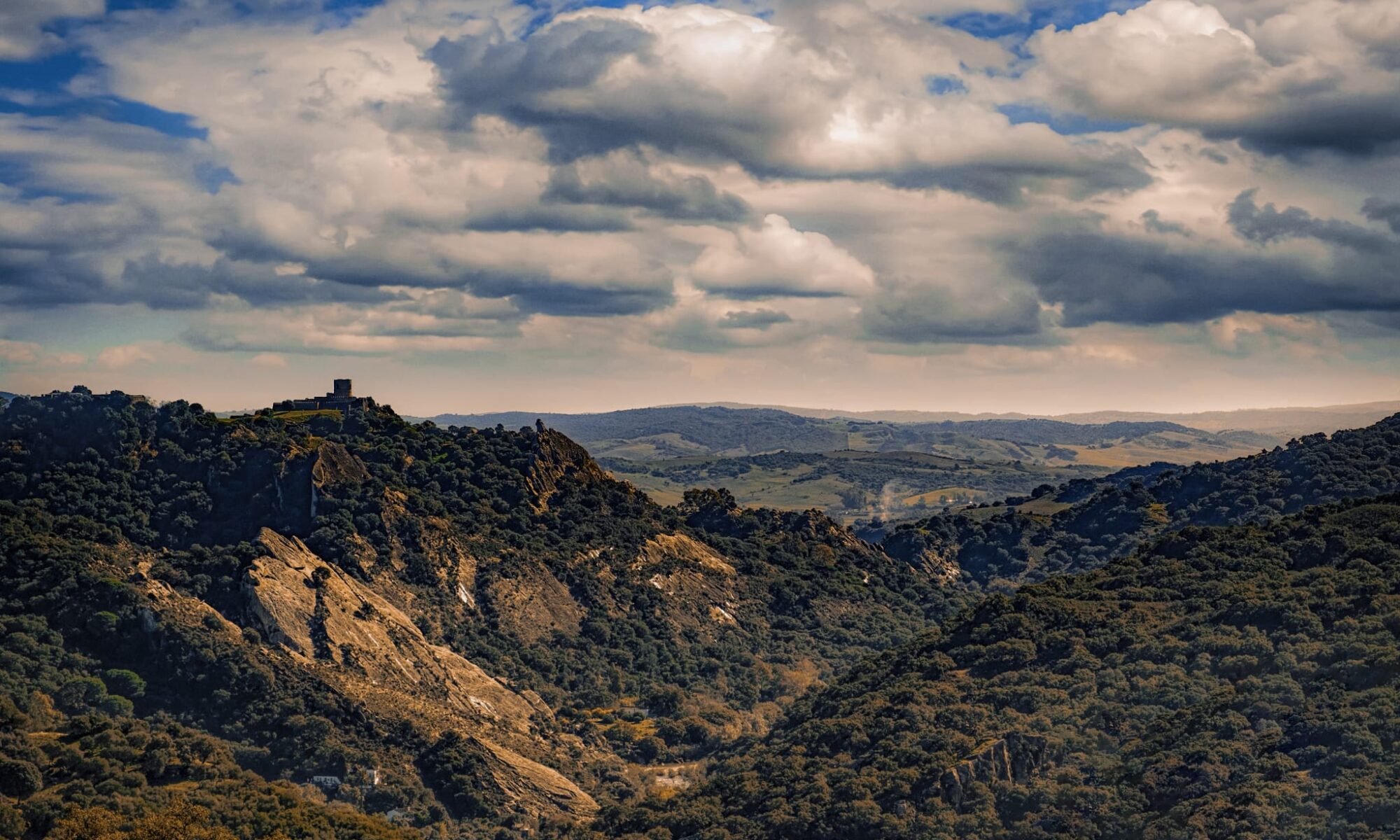

Key Findings from Copernicus Report
Europe is currently the fastest warming continent on Earth, with temperatures rising at double the global average rate. According to the latest findings from the EU climate monitoring service, Copernicus, the continent is now approximately 2.5°C warmer than in the pre-industrial era. This rapid shift is creating a profound impact on ecosystems, biodiversity, and regional stability.
The Arctic Feedback Loop
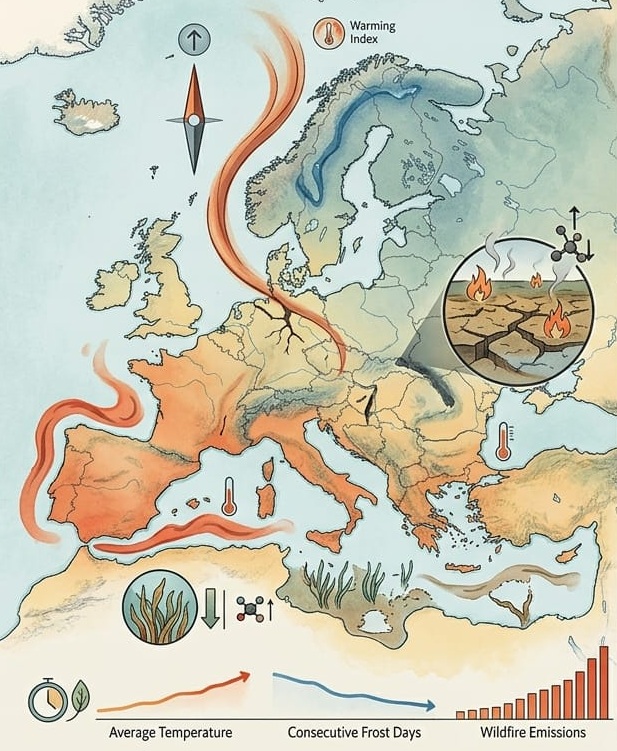
A primary driver behind this accelerated warming is the proximity to the Arctic. As northern ice cover retreats, the earth loses its ability to reflect sunlight. This causes the dark ocean waters to absorb more heat, creating a self-reinforcing cycle that disproportionately affects the European landmass, even in southern regions.
Shifting Winters and Extreme Heat
The geographical distribution of traditional winter weather is shrinking significantly.
- Vanishing Frost: In many parts of Western Europe, the historical norm of two consecutive weeks of sub-zero temperatures has nearly disappeared since 1990.
- Northern Heatwaves: Regions just below the Arctic Circle have recorded unprecedented three-week heatwaves with temperatures climbing to 30°C.
- Marine Heat: The Mediterranean and the Atlantic waters near the European coast have reached “exceptionally high” surface temperatures, fueling extreme weather events on land.
Environmental Vulnerabilities
The report highlights the critical state of European carbon sinks, natural areas that absorb CO2.
- Seagrass Meadows: In the Mediterranean, Posidonia oceanica meadows have declined by 34% over the last fifty years due to rising water temperatures.
- Peatlands: Vital areas like the Peel regions in the Netherlands are under threat. As water levels drop, these carbon-rich lands dry out, increasing the risk of peat fires
The degradation of these areas creates a dangerous feedback loop: as they disappear or burn, they release stored carbon back into the atmosphere, further accelerating the very climate change that is destroying them.
Wildfires and Record Emissions
The combination of dried-out landscapes and intense heatwaves in Southern Europe has led to a dramatic increase in wildfire activity. Last year, the total area burned and the resulting carbon emissions reached record highs for the continent, particularly impacting Spain and Portugal.
This summary is based on the 2026 European State of the Climate report by Copernicus and the World Meteorological Organization -> https://climate.copernicus.eu/sites/default/files/custom-uploads/ESOTC-2025/ESOTC-2025-report.pdf