As the NATO Summit Nears, It’s Not Just About Spending—It’s About Strategy

What defines a strong NATO ally? Since the alliance’s founding in 1949, debates over burden-sharing have been constant. Donald Trump, both in his first and current term, has sharply criticized European members for underfunding their defense while relying on U.S. protection—and not without reason.

His message is resonating. Belgium’s defense minister recently vowed to end the country’s “national shame” of being NATO’s most notorious free rider. Even Iceland, which lacks a standing army, is exploring how to contribute more meaningfully.
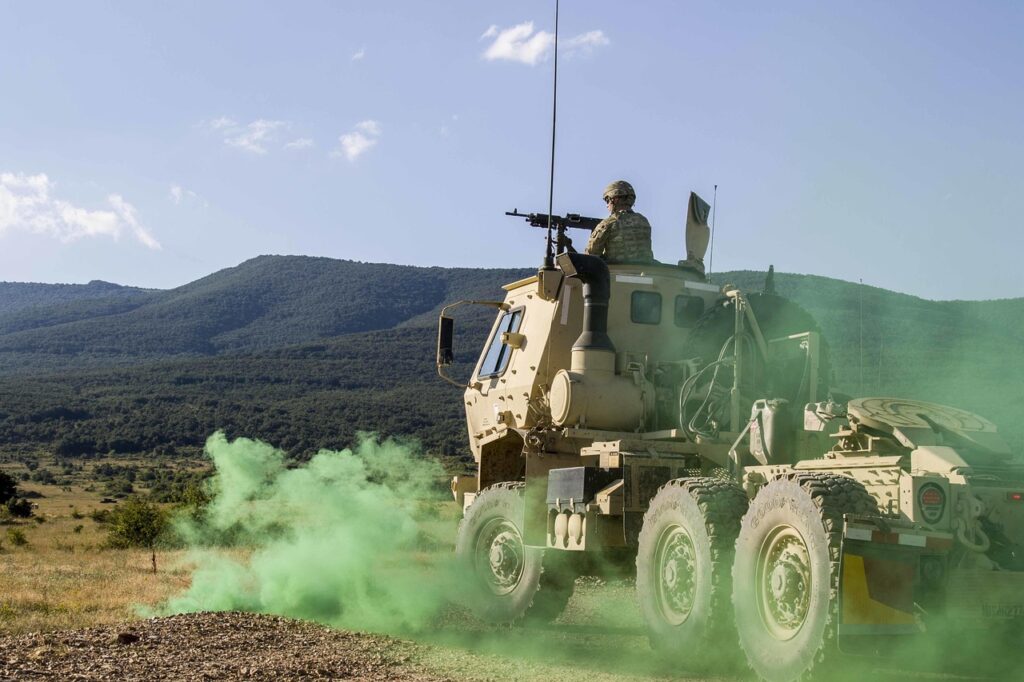
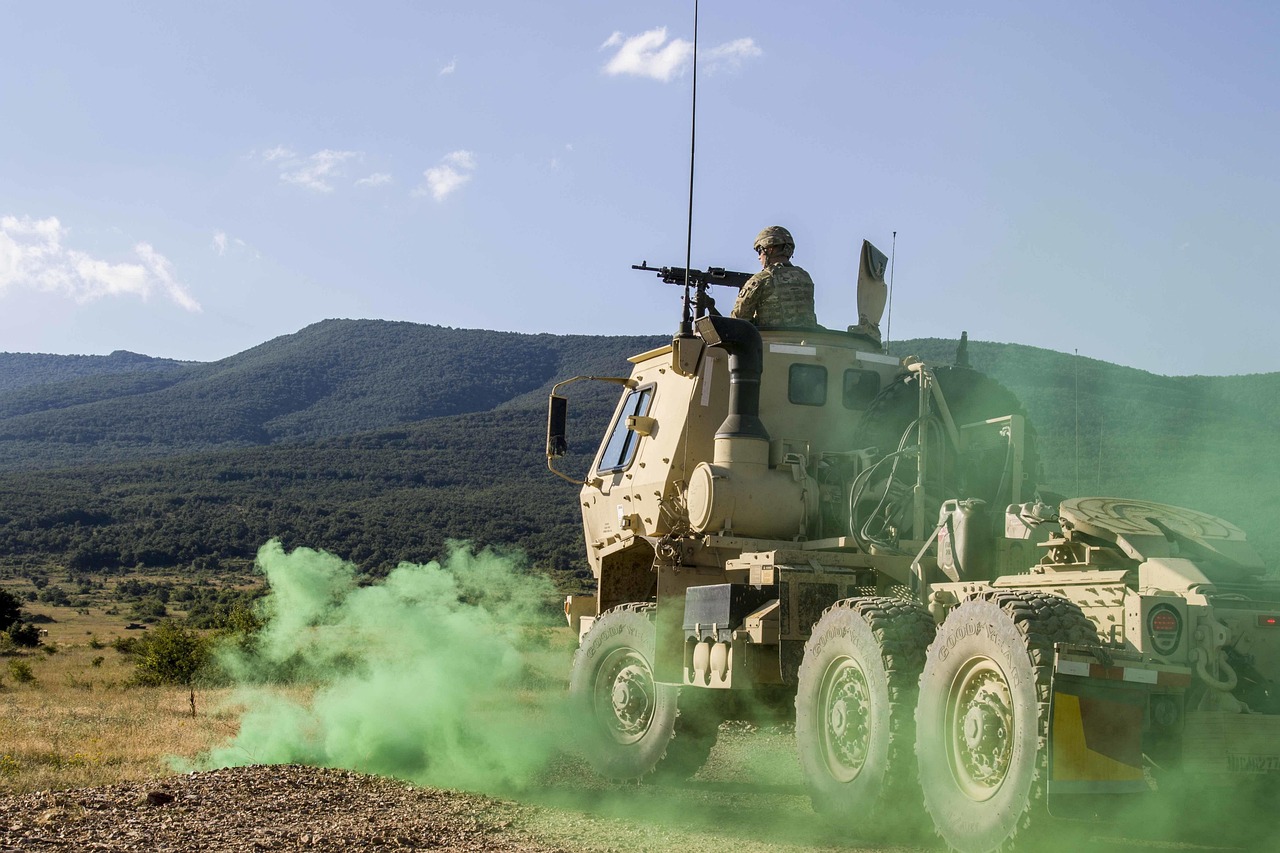
Image: Pixabay

To assess NATO members’ contributions, consider the “three Cs”: cash, capabilities, and commitment.

Cash: More Members Are Meeting Targets—But Is It Enough?

Today, 22 of NATO’s 32 members meet the 2% of GDP defense spending target, a big jump from just seven a decade ago. Italy and Spain are on track to join them this year. But the bar is rising: at the upcoming summit in The Hague, NATO is expected to adopt a new target of 3.5% of GDP, plus 1.5% for supporting infrastructure.

Still, raw spending figures can be misleading. Some countries inflate their numbers by including loosely related expenses under “defense.”

Capabilities: What the Money Buys Matters More

NATO recommends that at least 20% of defense budgets go toward equipment—most members comply, and that threshold may soon rise to 33%. But quantity doesn’t equal quality. Greece, for example, spends heavily on gear, but much of it is aimed at deterring Turkey, not Russia.

The NATO Defense Planning Process aims to align national purchases with alliance needs. After years of counterterrorism focus, the threat from Russia is refocusing priorities. Allies are now being asked to build forces primarily for deterrence in Europe.
New “capability targets” expected this month will guide what each country should provide—especially in areas where the U.S. may scale back, like intelligence, long-range strike, and logistics.

Commitment: Who Shows Up?

Operationally, even the most frugal allies are stepping up. Spain leads a multinational brigade in Slovakia; Italy commands one in Bulgaria. Portuguese jets patrol Baltic airspace. Smaller nations like Albania and Slovenia also contribute troops to NATO’s eastern flank.

But NATO wants more. In a major conflict, it aims to deploy 100,000 troops within 10 days and another 200,000 within 30. Without more European investment in recruitment and readiness, those goals may be out of reach—especially without U.S. troops.

A Smarter Division of Labor?

NATO is exploring a “multi-speed” model: larger militaries take on high-end combat roles, while smaller states focus on logistics, cyber, or niche capabilities. Luxembourg, for instance, supports satellite communications and surveillance; Iceland runs an air-defense system.

Getting underperformers like Spain and Italy to specialize more effectively may be key. Encouraging them to invest in maritime capabilities could be a strategic win.
How Americans Have Been ‘Borrowing’ Money from the Rest of the World for Decades Without Consequences

It’s a strange phenomenon. Americans keep buying Mercedes cars and other expensive items—even though they can’t actually afford them. Normally, a country that does that would be in serious trouble. But we lend them the money to buy those things. What’s going on here?

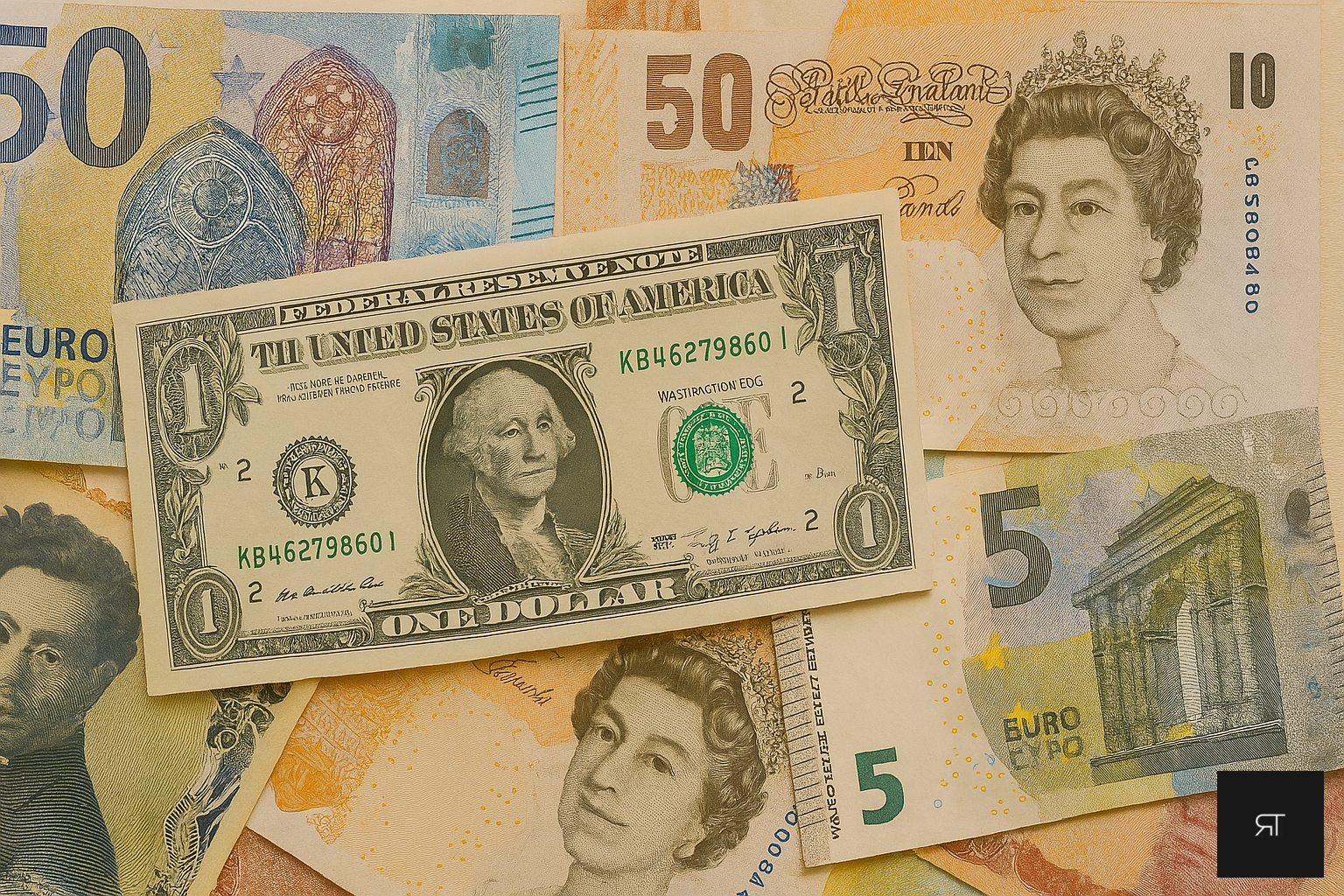
US Dollar and other currencies

Trade Deficit
America has been living beyond its means for decades. They buy far more than they produce, and that gap is filled with imports. Last year, Americans bought over $1.2 trillion more from abroad than they sold abroad. That’s more than the Netherlands produces and consumes in a whole year. And they’re buying on credit—Europe or China lends them the money for those Mercedes cars and other goods.

Budget Deficit
It’s not just trade that shows a big deficit; government spending is also way out of balance. Last year, the budget deficit was $1.8 trillion, or 6 percent of GDP. The government structurally spends more than it takes in. Many developing countries are doing better financially than the U.S.

Normally, a country with such deficits would face a huge problem. Financiers would demand high interest rates for loans—if they’re willing to lend at all. That forces a country to make painful choices to fix its deficits.

Many developing countries are doing better financially than the U.S.

Greece
Take Greece ten years ago. The country had major deficits. To fix them, they had to slash government spending, which mostly hurt the public. Thousands of civil servants lost their jobs, and wages dropped sharply so they could become competitive with foreign countries again. For Greeks, no more new Mercedes—only second-hand Dacias.

But the U.S. has no problem financing its deficits. In fact, we’re lining up to lend them money. While Greece saw interest rates on new government bonds spike to 35 percent, the U.S. borrows at just 2 to 4 percent.

The Secret
There’s no talk of painful measures in the U.S. On the contrary, the government—recently with Congress’s approval—raised the debt ceiling again. So the state can borrow even more. Elon Musk might be laying off millions of civil servants, but not as a government spending cut. That money is meant for tax cuts, which means less income for the government.

So what’s America’s secret? How can they rack up debt for decades without serious consequences? The answer: the dollar.

This requires some explanation. The U.S. dollar is the world’s dominant currency. The vast majority of international trade transactions are settled in dollars—just think of the oil trade. As global trade grows, so does the demand for dollars. That demand helps the dollar maintain its value. This is a major reason why investors and countries keep investing in the U.S.

That’s why the U.S. can borrow at low interest rates despite its large deficit—unlike Greece, which had to offer sky-high rates.

Mountains of Dollars
Because many countries have trade surpluses with the U.S., they end up with large reserves of dollars. They reinvest those dollars in the U.S., buying U.S. government bonds—called treasuries. These treasuries are considered the safest government bonds in the world. And the market is enormous.

So you can always sell those bonds if you need dollars, or buy them if you have dollars to spare. The euro or the Chinese yuan offer nothing similar and thus can’t compete with the dollar.

There’s something ironic about it. The fact that Americans have such a massive and growing mountain of debt actually makes the dollar strong. And the dollar’s dominant position seems untouchable—there are no credible alternatives to the American currency.

A Drawback
But the dollar isn’t only beneficial to Americans. Because there’s always demand for dollars, the exchange rate stays high compared to other currencies. And that expensive dollar is a disadvantage for U.S. companies that export. It’s one reason much of U.S. industry has disappeared. Countries with weaker currencies can produce more cheaply.

That’s why Trump is trying to improve the competitive position of American companies by imposing tariffs on imports. That makes imports more expensive compared to domestic production.

Milton Friedman on Free Trade and Tariffs

Milton Friedman, a Nobel Prize-winning economist and leading advocate of free-market capitalism, was a strong proponent of free trade and firmly opposed to tariffs.

Milton Friedman

He believed that free trade promotes economic efficiency, consumer choice, and global prosperity, while tariffs distort markets, protect inefficient industries, and ultimately harm consumers by raising prices.

Friedman argued that even if other countries impose tariffs, it is still in a nation’s best interest to keep its own markets open. He viewed trade as a voluntary exchange that benefits both parties and saw government interference, such as tariffs and quotas, as economically damaging and politically motivated.

In his view, the best policy was unilateral free trade — reducing or eliminating trade barriers regardless of what other countries do — because this would benefit the domestic economy by allowing consumers access to cheaper goods and encouraging competition and innovation among producers.

Zuckerberg is Cozying Up to Trump: Meta Ends Partnership with Fact-Checkers in the U.S. Due to ‘Censorship’

Meta is ending its collaboration with fact-checkers in the United States, according to an announcement made today by owner Mark Zuckerberg. Instead, Meta, the parent company of Facebook and Instagram, will implement a system that allows users to comment on potentially misleading content.

Mark-Zuckerberg-2019

The new system, based on user comments, is similar to the Community Notes feature on X (formerly Twitter). In this system, users can provide feedback on potentially misleading posts, meaning that professional fact-checkers will no longer be responsible for verifying content.

The company says it is terminating its partnership with experts, including journalists from major international news agencies, because, according to Zuckerberg, they are “politically biased.” “The fact-checkers have done more harm than good in terms of building trust,” Zuckerberg stated in a video message.

Immigration and Gender

Zuckerberg also announced plans to change Meta’s moderation policy on certain topics. “We want fewer restrictions on subjects like immigration and gender,” he said. According to him, Facebook and Instagram have shifted from being inclusive platforms to spaces where people are silenced too quickly.

He also claimed that too many posts are being fact-checked and censored. The fact-checking is currently handled by employees of major international news agencies such as AFP, AP, and Reuters.

Zuckerberg pointed to recent U.S. elections as a major factor in his decision. “The last elections feel like a cultural turning point to bring freedom of speech back to the forefront,” he said.

Cozying Up to Trump

Zuckerberg is clearly seeking favor with Donald Trump, with whom he dined shortly after Trump’s election victory at Mar-a-Lago. Trump was informed of Meta’s plans in advance. Meta also donated $1 million to Trump’s inauguration, along with other tech companies.

By relocating moderation teams to Texas and shifting to user-driven corrections instead of professional fact-checking, Meta is following the example of Trump advisor Elon Musk, owner of X. Under Musk’s leadership, that platform has transformed into a propaganda machine for the new president.

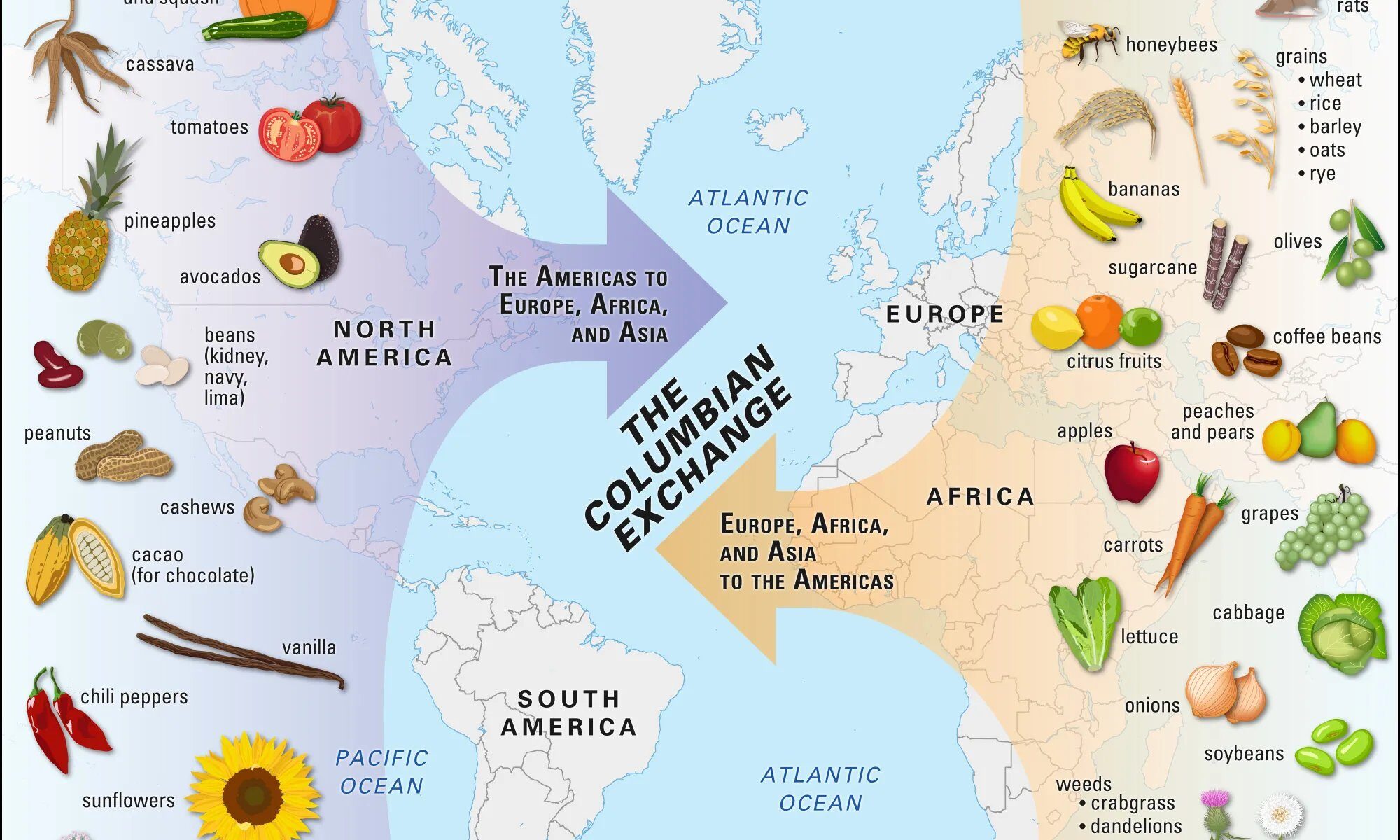
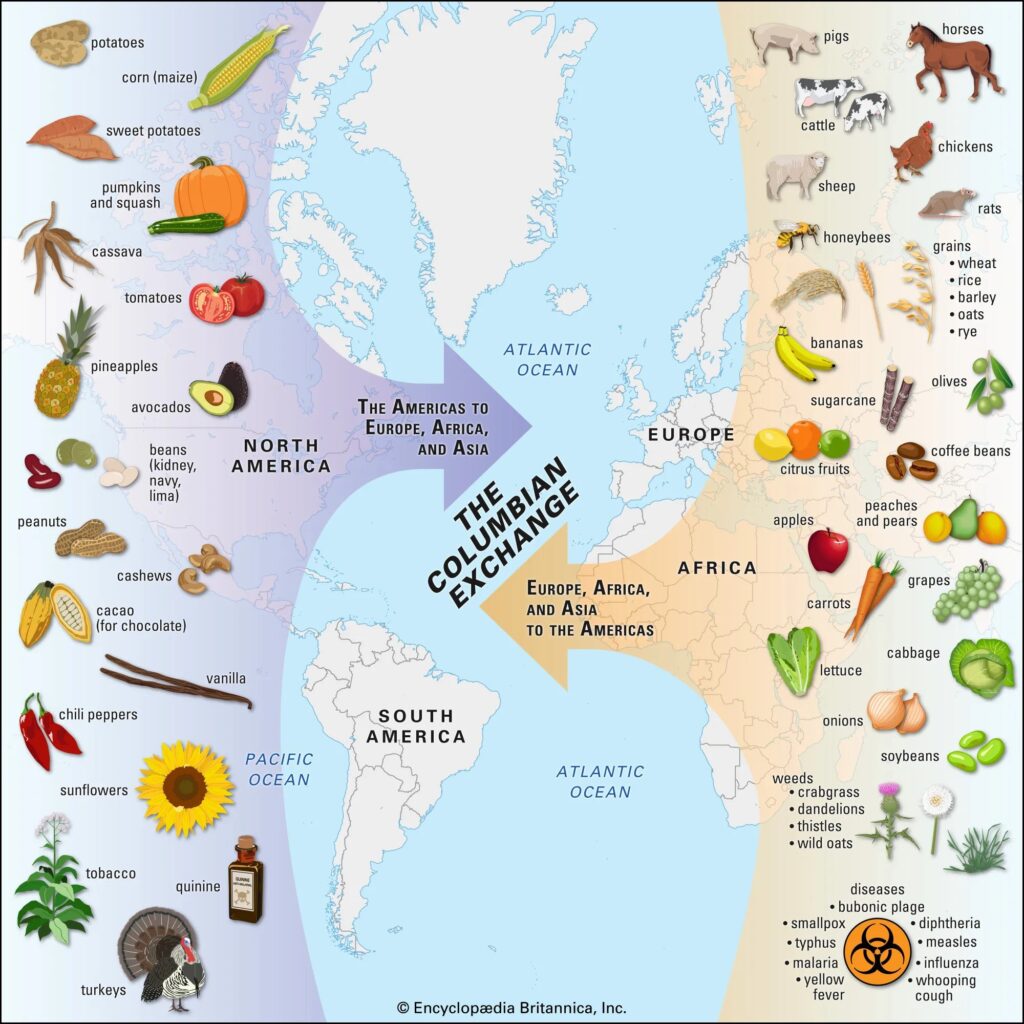
What is the Columbian Exchange?

Columbian Exchange

After Columbus’s 1492 voyage, the Columbian Exchange sparked a global food revolution. Europe got potatoes and tomatoes, while the Americas received wheat and sugar.

The Columbian Exchange refers to the massive transfer of plants, animals, culture, human populations, technology, and diseases between the Americas, West Africa, and the Old World (Europe and Asia) following Christopher Columbus’s 1492 voyage. This trade reshaped diets and economies but also unleashed diseases that devastated existing communities in the Americas.

​Key Impact Areas


Agriculture: The exchange introduced life changing crops to new continents. The Americas received wheat, rice, and coffee, while the Old World gained staples like potatoes, corn, tomatoes, and chocolate. These calorie dense foods fueled a massive population explosion in Europe and Asia.


​Livestock: Europeans brought horses, cattle, pigs, and sheep to the Americas. This fundamentally altered the landscape and the way of life for many Indigenous peoples, particularly on the Great Plains.


​Disease: The most devastating aspect was the unintentional transfer of Old World diseases, such as smallpox and measles, to the Americas. Lacking immunity, Indigenous populations suffered catastrophic declines, often estimated at 80 to 90 percent.


Global Economy: This period marked the beginning of true global trade. It connected hemispheres but also led to the rise of the transatlantic slave trade as Europeans sought labor for new plantations.


​Ultimately, the Columbian Exchange didn’t just move goods. It reshaped the biological and social makeup of the entire planet.

Some Amazing Facts About World War I

First World War

Historical Facts of World War I

Unprecedented Explosions

​The detonation of over 431,000 kilograms of explosives by British miners at Messines Ridge, Belgium, remains one of history’s most powerful non-nuclear blasts. The explosion successfully decimated the German front lines and was so immense that the sound traveled 140 miles, reaching Prime Minister David Lloyd George at Downing Street in London.

War Correspondence and Censorship

​Reporting from the front lines was a life-threatening endeavor. The British Ministry of War banned journalists, fearing that shared information could inadvertently assist the enemy. Reporters who defied these orders faced the ultimate penalty: a death sentence.

The Scale of Military Mail

​Communication was a massive logistical undertaking during the conflict. Approximately 12 million letters reached the front lines every week, with delivery from Great Britain to France taking a mere two days. By the end of the war, the postal service had moved over two billion letters and 114 million parcels to the trenches.

Medical Innovations: Plastic Surgery and Blood Banks

​The war catalyzed significant medical breakthroughs:

  • Plastic Surgery: Surgeon Harold Gillies pioneered early reconstructive techniques to treat soldiers who suffered severe facial shrapnel wounds.
  • Blood Banks: In 1917, Captain Oswald Robertson (US Army) established the first blood bank on the Western Front. By using trisodium citrate to prevent clotting and storing blood on ice for up to 28 days, he enabled life-saving transfusions for wounded troops.

Underage Soldiers

​Despite age restrictions, more than 250,000 underage boys served in the British military. The youngest recorded soldier was Sidney Lewis, who joined at just 12 years old after lying about his age. Motivations for enlistment varied from intense patriotism to a desire to escape difficult living conditions at home.

Trench Survival and Routine

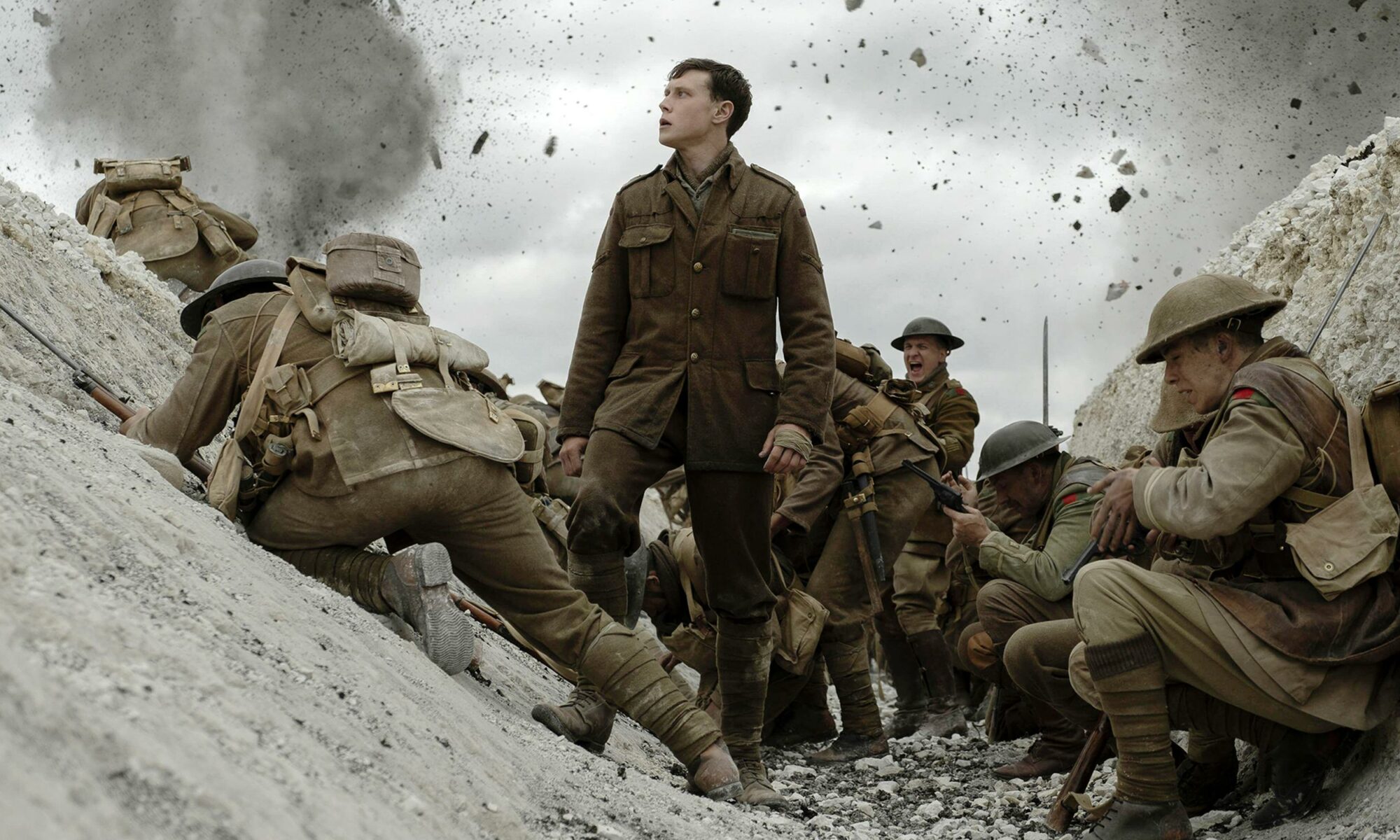
​Contrary to popular belief, 9 out of 10 British soldiers survived their time in the trenches. Much of a soldier’s experience was defined by repetitive routine rather than constant combat, as troops moved through a complex system that offered protection from direct enemy fire.

Leadership at the Front

​To preserve strategic expertise, the British government eventually prohibited generals from going “over the top” into no-man’s-land. While a common stereotype suggests high-ranking officers stayed safely behind the lines, many were actually eager to lead from the front, prompting the ban to prevent the loss of essential commanders.