Russian Economy in ‘Endstage’, Risk of Total Collapse Threatens

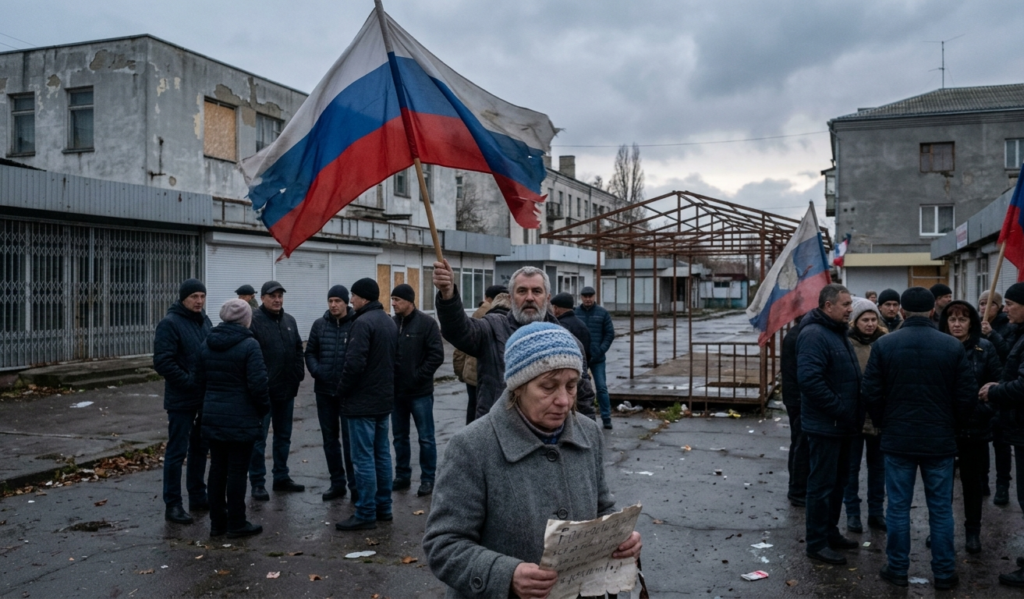
The Russian economy has entered an ‘endstage’, according to economists in a report published by the German Kiel Institute for the World Economy. The authors warn that ‘an economic collapse of Russia’ is a distinct possibility.
Russian Economy is Collapsing
Economic collapse of Russia?

Earlier in May, the Russian central bank adjusted its outlook, projecting a 0.5% contraction of the economy rather than the previously anticipated 1.6% growth. According to the report, even this revised forecast is likely ‘too optimistic’, raising further doubts regarding the accuracy of official data.

Growth is now confined strictly to the Russian defense sector, while the civilian economy stagnates. The report notes that Russian foreign trade volumes have hit a 15-year low, and fixed asset investments have ground to a near-total standstill.

​High inflation leaves the Russian central bank with virtually no room to lower interest rates, which currently stand at 14.5%. Furthermore, Russia’s financial reserves are largely depleted. At the outbreak of the war, the National Wealth Fund held reserves equivalent to roughly 6.5% of gross domestic product (GDP). These reserves have now dwindled to 1.8% of GDP.

Oil

Following Ukrainian strikes on Russian oil infrastructure, Russian oil production dropped to a one-year low in May. Over the past month, Ukraine launched at least 31 attacks targeting refineries and pipelines inside Russia. A monthly report from the oil cartel OPEC indicates that Russia produced an average of just over 9 million barrels of crude oil per day in May.

As a result of these attacks, Russian oil processing volume has dropped in June to its lowest level in two decades, according to estimates by analysts at the consultancy firm Energy Aspects.

​The report reveals that higher oil prices driven by conflicts in the Middle East offer only temporary relief to the state budget, as export volumes have fallen significantly. Nevertheless, revenue from oil and gas exports remains ‘by far the most critical variable’ funding the war machine. Consequently, the economists call for stricter enforcement of sanctions and the introduction of a special import duty on remaining trade with Russia, with the proceeds used to support Ukraine.

Dependence on China

​A key point highlighted in the report is Russia’s growing dependence on China. The economists describe this relationship as increasingly lopsided: China purchases Russian raw materials at a discount, while Russia buys Chinese goods at premium prices. Report co-author Alicia García-Herrero notes that while Moscow has received an ‘economic lifeline’, China is the one dictating ‘the terms of the relationship’. Although trade with China enables Russia to sustain its war economy, it leaves Moscow more vulnerable in the long term due to restricted economic autonomy.

Russian Regions

The report notes that many poorer Russian regions have benefited from increased defense spending, narrowing the income and wage gap within the country. High salaries offered to military recruits also contribute to this trend.

Earlier this month, data showed that Russian regions are collectively facing record deficits this year due to the war. According to Russian Finance Minister Anton Siluanov, the deficit this year will rise by 400 billion rubles ($5.3 billion) compared to last year. An increasing number of Russian regions are heading toward financial shortfalls. While 49 provinces recorded a deficit last year, 73 regions are expected to be in the red this year, the finance minister reported. Siluanov acknowledged the severity of the situation, noting that regional deficits typically total between 200 and 300 billion rubles.

Last year, the total reached 1,500 billion rubles, and at least another 400 billion will be added this year, pushing the final figure close to 2,000 billion rubles.
Putin Suddenly Signals Openness to Peace Talks with Europe. Why Now?

Putin wants Peace Talks

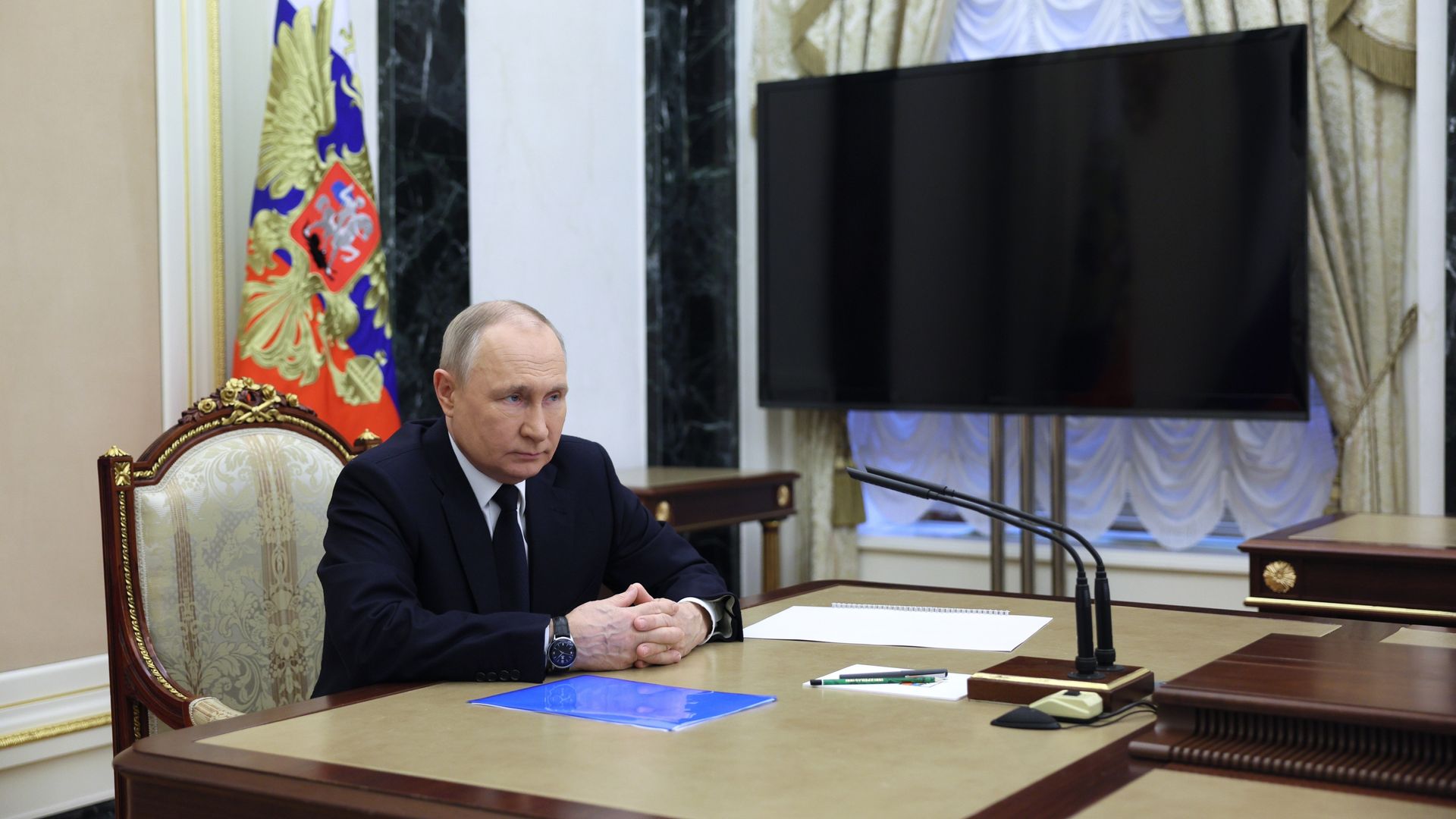
Russian President Vladimir Putin has unexpectedly indicated a willingness to engage in peace talks with the European Union. According to reports, he has proposed former German Chancellor Gerhard Schröder as a potential intermediary. However, these statements are open to multiple interpretations, a recurring theme with Putin’s rhetoric.

Two Sides of the Same Coin

Speaking to journalists at the conclusion of Victory Day, Putin suggested that the end of the conflict is drawing near. This could be interpreted in two very different ways.
On one hand, it may signal internal realization within the Kremlin that the war is not progressing as planned and cannot be sustained indefinitely. On the other hand, it could be a display of confidence, implying that Russia believes it is on the verge of victory and that Ukraine and Europe are about to face defeat.

The Schröder Connection

The choice of Gerhard Schröder is significant. While Schröder has become a political pariah in Germany since the 2022 invasion, losing several of his official privileges, he remains on good terms with the Russian President.

Schröder’s history with Gazprom and his long-standing friendship with Putin mean he is still trusted by the Kremlin. If there is to be any dialogue with Europe, Putin sees him as the ideal bridge.

A Shift in Strategy?

This overture is particularly striking given the Kremlin’s previous stance. Until now, Putin has largely focused on potential negotiations with Donald Trump or insisted that Russia and Ukraine settle the matter directly. Furthermore, Foreign Ministry spokesperson Maria Zakharova has frequently dismissed Europe’s relevance in any peace process.
While the motive remains unclear, this shift could represent a “tiny ray of light” for future diplomatic developments.

Ceasefire Violations

The news comes as a fragile three-day ceasefire, brokered partly under pressure from Donald Trump for Victory Day, officially expires today. Both Russia and Ukraine have accused each other of violations.

While aerial activity appeared to decrease slightly during the period, ground troops continued to advance, leading analysts to conclude the ceasefire was largely unsuccessful. With Putin’s foreign policy advisor, Yuri Ushakov, stating he is unaware of any extension, a resumption of full-scale hostilities is expected imminently. Ukrainian President Volodymyr Zelensky has already stated that Ukraine will take “appropriate measures” should Russian attacks persist.

Trump gets Putin Completely Wrong

Some interesting ideas from Sir Alex Younger, former head of MI6:

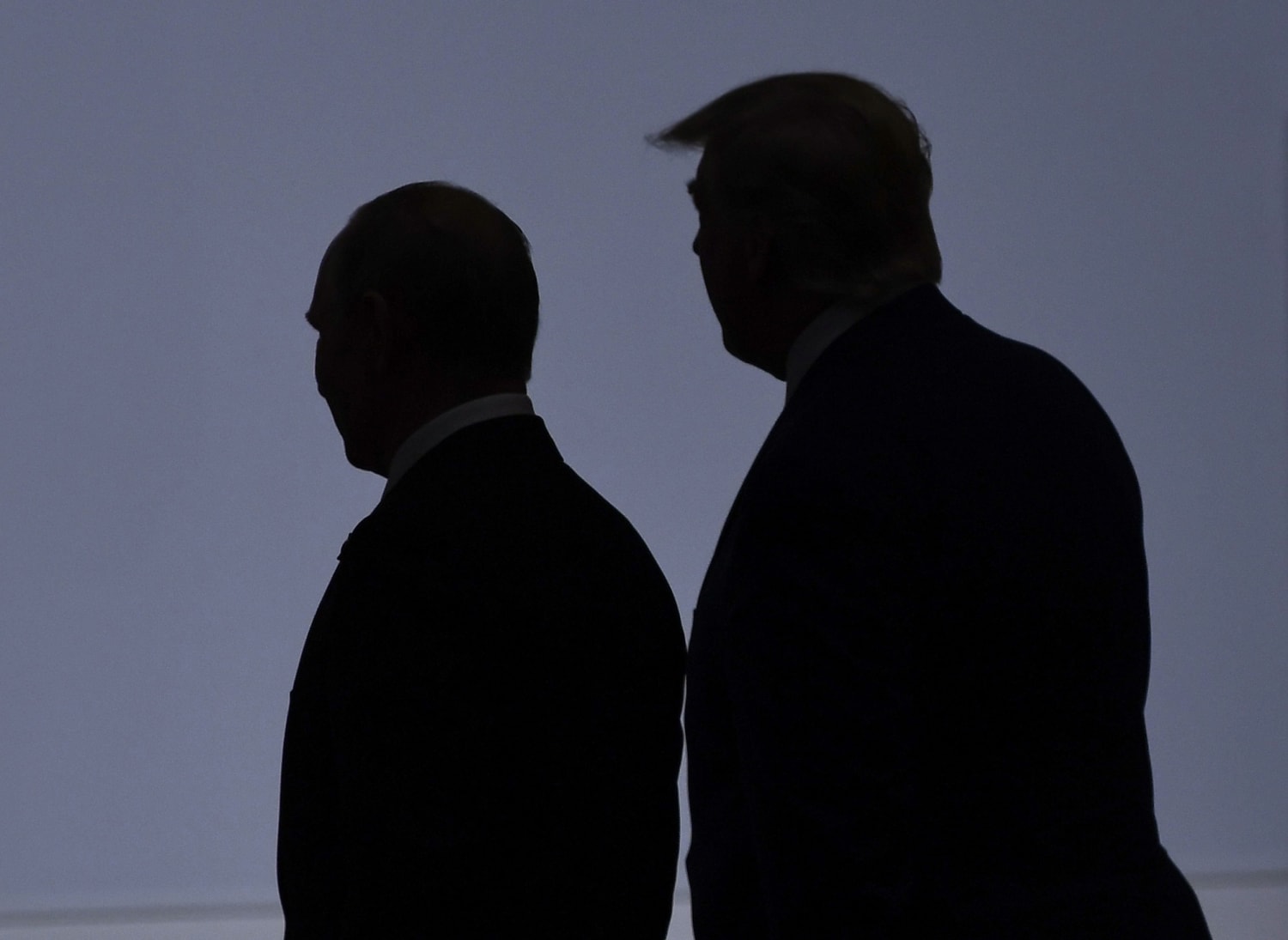
Trump and Putin

Younger: “Trump and Putin talk about different things. Trump thinks this is about territory, about giving land to Russia in exchange for peace. But it’s not about territory—Putin has said it’s about sovereignty.

The existence of Ukraine as a sovereign and free country was an unacceptable affront to Russian security. He will not stop until Ukraine ceases to be a country. And that is a completely different conversation.”

Think tank: Putin still firmly believes in complete victory

Russian President Putin still firmly believes in a complete victory in Ukraine. That is what experts from the American think tank Institute for the Study of War (ISW) write in a latest update on the war.

According to them, neither the West nor Ukraine have yet succeeded in convincing Putin that a compromise is needed to end the war. Putin is prepared for a long, drawn-out war to eventually force Ukraine to surrender or to make the West war-weary, leaving Kyiv alone, the ISW writes.

Based on the recent rhetoric and actions of the Russian president, the experts believe that only several successful counter-offensives by Ukraine can force Putin to the negotiating table. But the question is whether Putin will accept the reality on the battlefield.

Putin’s son was allegedly born in Ticino, Switzerland

There have long been rumors that the alleged lover of the Kremlin boss is said to have given birth to their children in Switzerland. The rumor has been confirmed by s Swiss doctor with Russian roots.

President Vladimir Putin listens to Alina Kabayeva, gymnastics world champion, during his meeting with the Russian National Olympic team in the Kremlin. Vladimir Putin met with members of the Russian National Olympic Team to wish them success at the Sydney Olympics. Olympionikin Kabajewa, Sportsfreund Putin. Photo: MIKHAIL METZEL/ AP

The rumor persisted: in an exclusive clinic in the Swiss canton of Ticino, the Russian athlete Alina Kabaeva gave birth to a boy whose father is Vladimir Putin. The Swiss “Sonntags Zeitung” is now said to have confirmed the birth of two of Putin’s sons by a confidant of the doctor.


Putin is said not to have been present at the birth


According to this, the first son of the Russian President and the athlete is said to have been born in Ticino in 2015. The Swiss doctor with Russian roots is also said to have accompanied the birth of the second son – but in Moscow. According to the source of the “Sonntags Zeitung”, this is a longtime confidant of Putin, whom he is said to have known from his youth in Saint Petersburg. The doctor is said to have emigrated to Switzerland more than 30 years ago, given up her Russian maiden name and accepted Swiss citizenship.

The woman is said to have worked in the Clinica Sant’Anna. This is one of the most renowned maternity wards in Ticino, and on its website it advertises for international clients, especially Russian ones. The source of the Swiss newspaper dismissed rumors that Putin was present at the birth of the child.

Even before he divorced his wife Lyudmila Putina in 2014, Putin is said to have had a relationship with Kabaeva. The 38-year-old European and world champion in rhythmic gymnastics is described in the media as the »most agile woman in Russia«. Kabaeva has been a member of the governing body of Putin’s United Russia party since 2001, and in 2007 she became a member of the Russian parliament. In 2014 she took over the management of the “National Media Group”, one of the largest media companies in Russia. According to media reports, her annual salary should have been almost 10 million euros.

According to the Sunday newspaper, Kabaeva also remains close to power ideologically. Last month she condemned the sports sanctions imposed on Russia. In their eyes, the Russian attack on Ukraine served only to “protect Donetsk and Lugansk from the Nazis.”