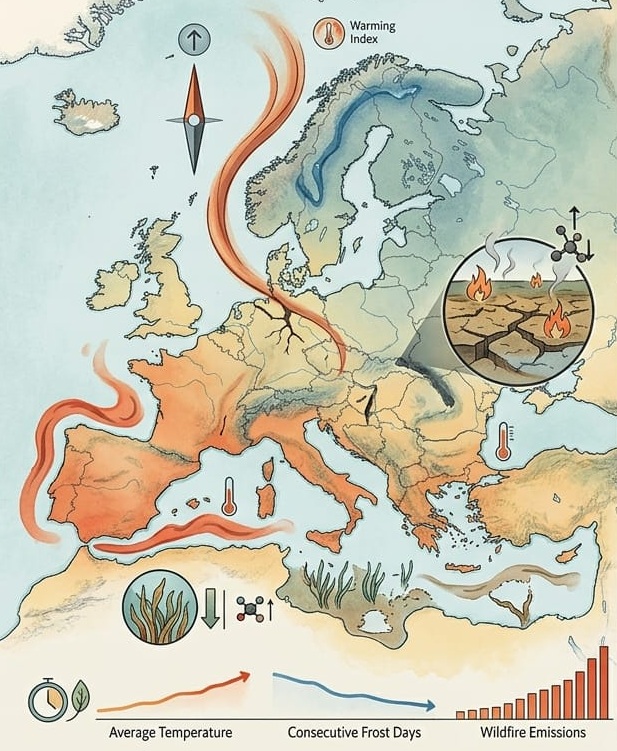
Europe is currently the fastest warming continent on Earth, with temperatures rising at double the global average rate. According to the latest findings from the EU climate monitoring service, Copernicus, the continent is now approximately 2.5°C warmer than in the pre-industrial era. This rapid shift is creating a profound impact on ecosystems, biodiversity, and regional stability.
The Arctic Feedback Loop
A primary driver behind this accelerated warming is the proximity to the Arctic. As northern ice cover retreats, the earth loses its ability to reflect sunlight. This causes the dark ocean waters to absorb more heat, creating a self-reinforcing cycle that disproportionately affects the European landmass, even in southern regions.
Shifting Winters and Extreme Heat
The geographical distribution of traditional winter weather is shrinking significantly.
Vanishing Frost: In many parts of Western Europe, the historical norm of two consecutive weeks of sub-zero temperatures has nearly disappeared since 1990.
Northern Heatwaves: Regions just below the Arctic Circle have recorded unprecedented three-week heatwaves with temperatures climbing to 30°C.
Marine Heat: The Mediterranean and the Atlantic waters near the European coast have reached “exceptionally high” surface temperatures, fueling extreme weather events on land.
Environmental Vulnerabilities
The report highlights the critical state of European carbon sinks, natural areas that absorb CO2.
Seagrass Meadows: In the Mediterranean, Posidonia oceanica meadows have declined by 34% over the last fifty years due to rising water temperatures.
Peatlands: Vital areas like the Peel regions in the Netherlands are under threat. As water levels drop, these carbon-rich lands dry out, increasing the risk of peat fires
The degradation of these areas creates a dangerous feedback loop: as they disappear or burn, they release stored carbon back into the atmosphere, further accelerating the very climate change that is destroying them.
Wildfires and Record Emissions
The combination of dried-out landscapes and intense heatwaves in Southern Europe has led to a dramatic increase in wildfire activity. Last year, the total area burned and the resulting carbon emissions reached record highs for the continent, particularly impacting Spain and Portugal.
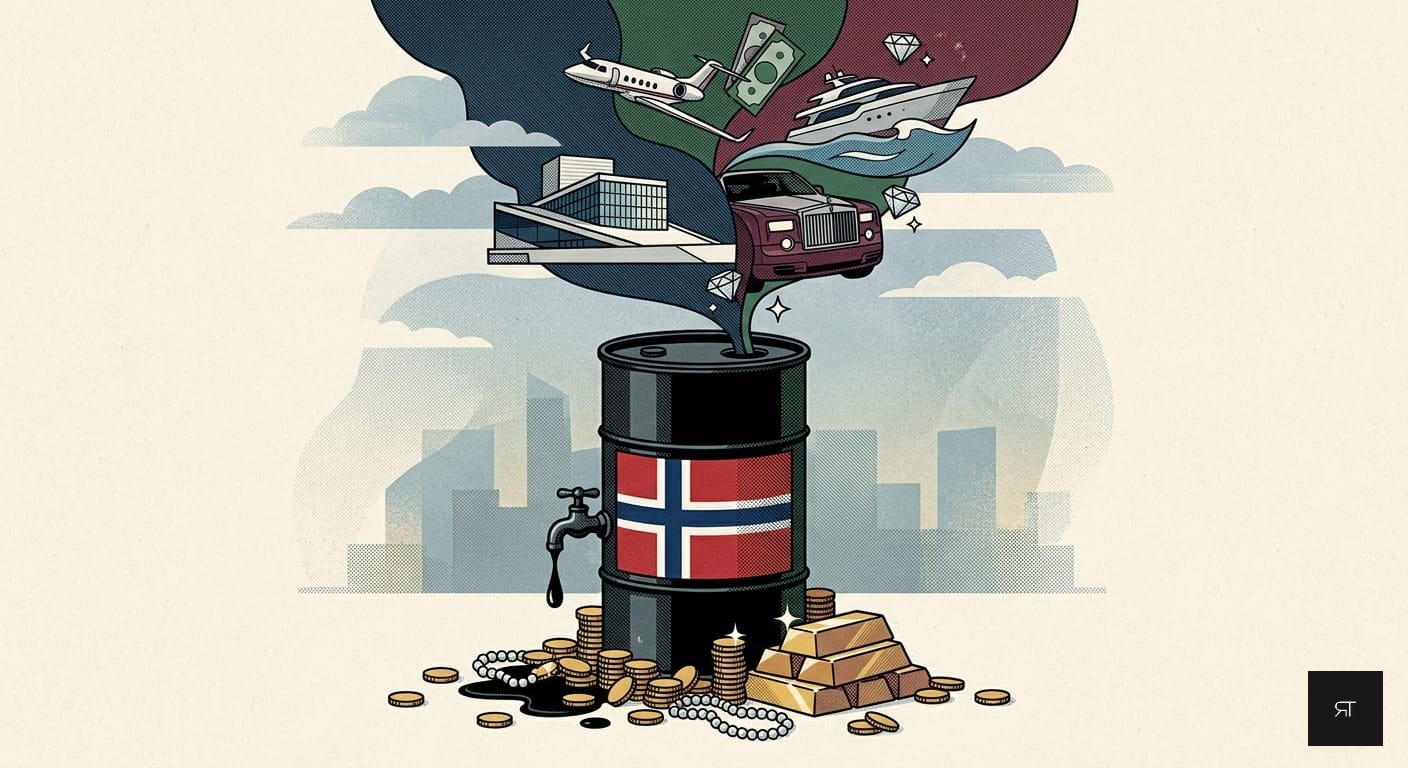
While most nations strive for economic growth, Norway presents a unique paradox: a country so affluent that its success may be eroding its future resilience. The nation’s immense oil wealth has created a society where financial constraints feel like a relic of the past, but this “unlimited” budget is starting to show significant side effects.
A Monument to Excess
Oslo’s skyline is dominated by the Munch Museum, a 13-story architectural marvel of glass and aluminum. While it stands as a tribute to Scandinavia’s artistic heritage, it also serves as a symbol of Norwegian fiscal extravagance. The project was completed a decade late and ran €184 million over its initial budget. In Norway, such astronomical costs are often met with a shrug; when you are this rich, efficiency often takes a backseat to ambition.
The Sovereign Safety Net
Norway’s economic engine is its €2.02 trillion sovereign-wealth fund. To put that in perspective, roughly 368,000 stashed away for every one of its 5.6 million citizens. This fund bankrolls one of the most comprehensive welfare systems on the planet and maintains a GDP per capita of approximately €82,800, surpassed only by a few tax havens and city-states.
However, a new sentiment is emerging. Critics, including economist Martin Bech Holte, author of The Country that Became Too Rich, argue that this safety net has become a “gilded cage.” The concern is that the constant flow of oil money is distorting the behavior of politicians and citizens alike, leading to a culture of complacency.
Political Profligacy and Reform Inertia
The wealth fund was designed to invest abroad to prevent domestic inflation, with only small portions funneled back into the national budget. Yet the scale of this “payout” has exploded. In 2008, the government drew about €5.9 billion from the fund; by 2025, that figure reached €36.8 billion, covering a fifth of all public spending.
This reliance on “easy money” has led to several systemic issues:
Delayed Reforms: Despite healthcare costs being 30% higher than the EU average, there is little pressure to modernize or streamline hospitals.
Lack of Accountability: Lawmakers often skip rigorous cost-benefit analyses for new projects.
High External Spending: In 2023, Norway allocated €230 billion (half of its total tax revenue from labor and capital) to foreign aid and climate initiatives, a ratio far higher than that of other developed nations.
The Social Cost of Security
The abundance of wealth has also impacted the private lives of Norwegians. Household debt is the highest in Europe at 250% of annual income, largely because citizens feel the state will always be there to catch them.
In the labor market, the effects are even more pronounced:
Education Inflation: With free higher education and generous stipends, many Norwegians stay in school well into their adulthood. This has led to a “hyper-educated” workforce where 70% of unskilled service workers hold master’s degrees.
Youth Unemployment: Joblessness among Norwegians in their 20s is double that of neighboring Denmark.
Stagnating Productivity: As the drive to innovate weakens, worker productivity has plateaued and real wages have begun to dip.
The 6% Gamble
The prevailing theory in Oslo is that if the fund’s returns exceed 6% annually, the country can maintain this lifestyle indefinitely, even after the oil runs out. But this is a dangerous gamble. If global markets underperform or AI fails to deliver a massive productivity boost, those returns may vanish.
More importantly, wealth cannot replace the social value of a functional economy. When a government no longer needs to justify its spending to taxpayers, accountability fades. When citizens no longer feel the necessity of work or saving, the spirit of innovation withers. Norway’s greatest challenge in the coming decades may not be managing its poverty but surviving its prosperity.
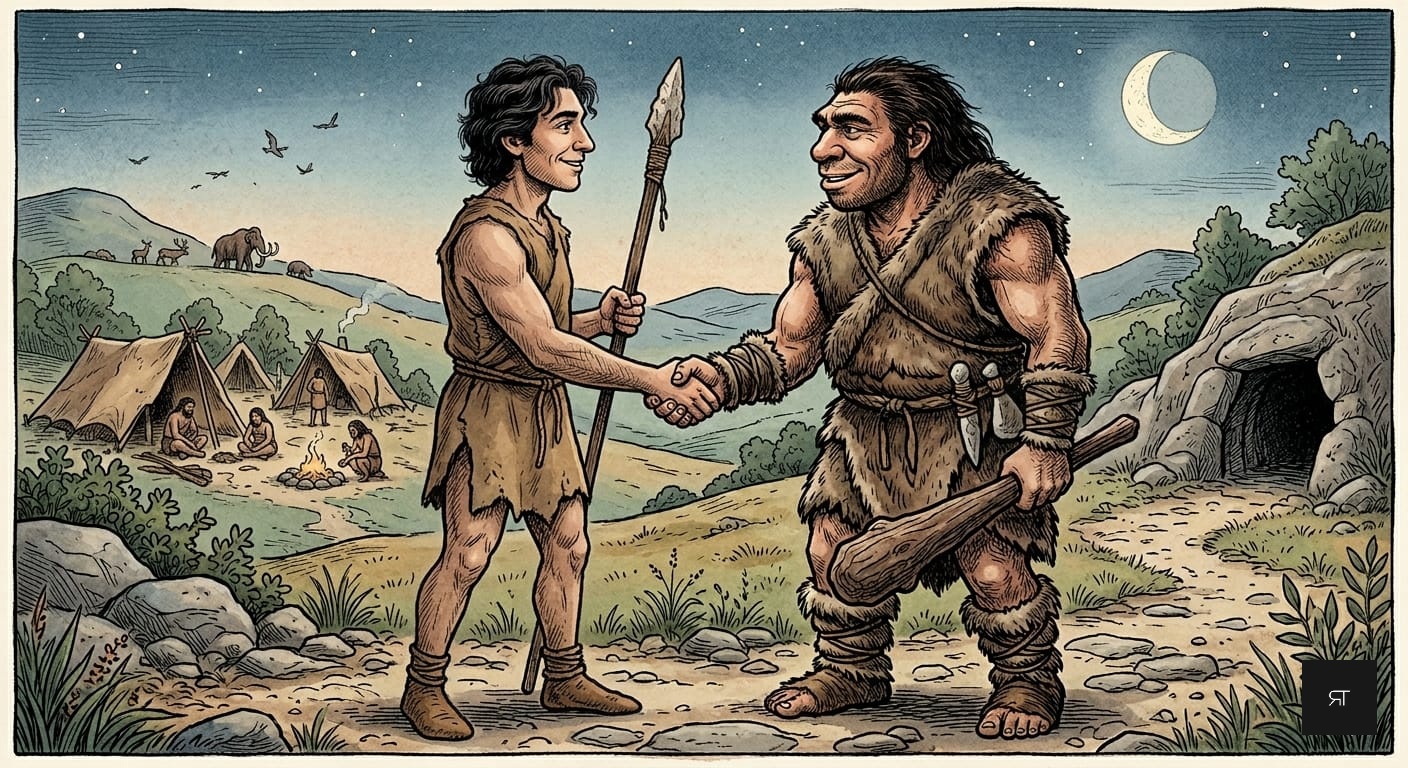
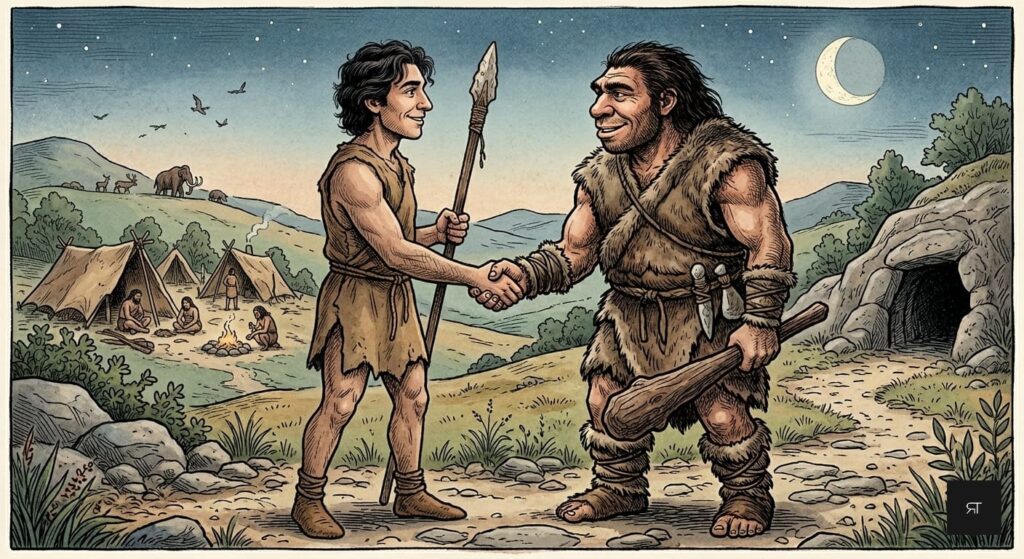
Recent archaeogenetic studies indicate that frequent sexual contact occurred between Neanderthals and Homo sapiens approximately 50,000 years ago. Findings suggest that these interactions primarily involved Neanderthal men and Homo sapiens women. While the specific nature of these encounters remains a subject of scientific speculation, researchers have identified a distinct breeding preference between the two groups.
Genetic Traces and the Out of Africa Migration
Although Neanderthals became extinct 40,000 years ago, their DNA persists in modern humans. Individuals of non-African descent typically carry between 1% and 2% Neanderthal DNA. This genetic integration took place during the migration of Homo sapiens out of Africa between 70,000 and 20,000 years ago.
Experts from the University of Pennsylvania published these findings in Science, utilizing genetic calculations to track how these genes were transferred. The study suggests that the lack of Neanderthal DNA on the modern human X-chromosome points toward a specific mating pattern. Because men pass on one X-chromosome and women pass on two, the “Neanderthal deserts” found on the modern human X-chromosome are best explained by a history of Neanderthal men breeding with Homo sapiens women.
Historical Context and Complexities
This 50,000-year-old window was not the first instance of interbreeding. Evidence in Neanderthal genomes reveals even earlier contact:
250,000 to 200,000 years ago: Likely occurring in Europe during an early, temporary migration of sapiens groups. 120,000 to 100,000 years ago: Likely occurring in the Middle East.
Interestingly, these earlier interactions showed an opposite trend, with an abundance of sapiens DNA on the Neanderthal X-chromosome. This suggests that during these older periods, sapiens men were frequently breeding with Neanderthal women.
Scientific Limitations
While the genetic data provides a clearer picture of ancestry, the social and demographic context remains elusive. Current research is limited by a small dataset; only eight Neanderthal genomes have been sequenced to date, primarily from females found in Siberia and Croatia.
Scientists note that while breeding preferences are a strong explanation for the genetic patterns, other factors such as natural selection and demographic shifts may have also played significant roles in shaping the modern human genome.
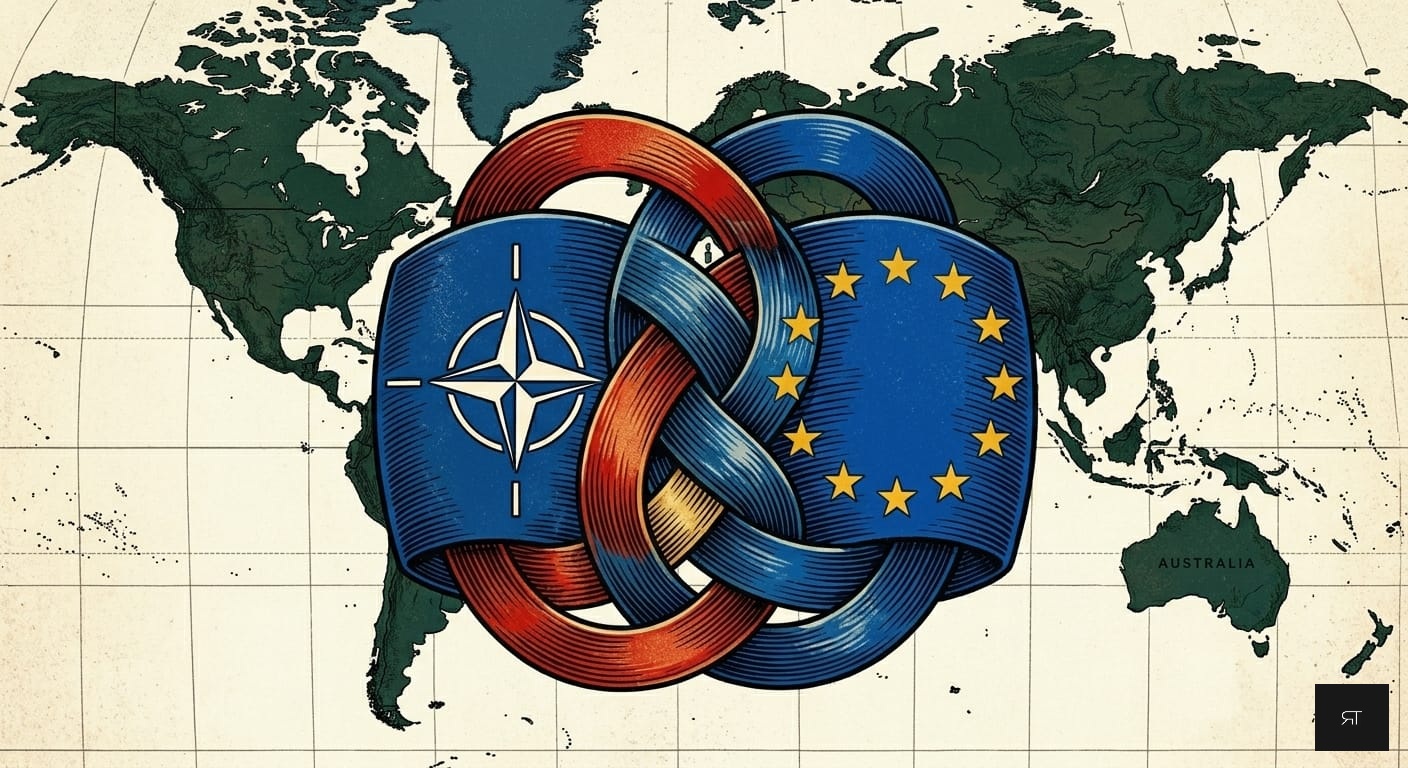
The geopolitical landscape of the 21st century is shifting rapidly, demanding a reassessment of established security structures. For decades, the European Union has relied on the North Atlantic Treaty Organization (NATO) as the bedrock of its security. This alliance provided stability during the Cold War, but in today’s multipolar world, this deep and limiting dependency on the United States is becoming increasingly untenable.
If the EU is to become a truly independent global actor, it must make the difficult but necessary decision to step out of NATO and build its own sovereign defense architecture. One of the clearest, most damaging proofs of this divergent reality can be found in the West’s fractured approach to Iran.
The Divergence of Strategic Interests and the Iran Lesson
The core of the problem lies in the fundamental strategic priorities of Washington and Brussels, which are no longer fully aligned. While the United States is increasingly focused on the Indo-Pacific region and its systemic rivalry with China, Europe’s primary security concerns remain centered on its immediate neighborhood: Eastern Europe, the Mediterranean, North Africa, and the Middle East.
This divergence is nowhere more apparent than in the catastrophic failure of unified transatlantic policy towards Iran. For decades, European powers, notably the E3 (Germany, France, and the UK), led meticulous diplomatic efforts to prevent an Iranian nuclear weapon, culminating in the Joint Comprehensive Plan of Action (JCPOA) in 2015. This agreement was hailed as a benchmark for European soft power and a critical security measure for the region.
However, the 2018 unilateral withdrawal from the deal by the Trump administration, followed by the re-imposition of crippling economic sanctions, fundamentally undermined European strategic interests. The EU was effectively held hostage by American policy. European businesses, which had started to invest in Iran, were forced to retreat, and European banks were threatened with exclusion from the US financial system.
The EU’s subsequent attempts to create alternative payment mechanisms, like INSTEX, proved ineffective, highlighting how American unilateralism can invalidate European sovereignty. The US’s “maximum pressure” campaign on Iran, far from stabilizing the region, heightened tensions, creating a direct security threat for Europe.
The lesson from Iran is clear: As long as the EU is bound within a security framework dominated by the United States, it will remain vulnerable to Washington’s policy swings. European security and economic interests are too often subordinated to American strategic goals, limiting Europe’s diplomatic flexibility and its ability to engage with critical regional actors on its own terms.
The Catalyst for Military and Technological Autonomy
True geopolitical power requires military and technological independence. Currently, European defense relies heavily on American hardware, intelligence, and command structures. This reliance creates a comfort zone that prevents the European defense industry from reaching its full potential.
Leaving NATO would serve as a forced catalyst for integration. It would compel the EU to consolidate its fragmented military capabilities, invest heavily in its own defense technology, and create a unified European command. Instead of buying off-the-shelf American systems, European capital would flow into European innovation, strengthening our technological independence and creating a robust, self-sufficient defense industrial base.
Confronting the Consequences
We must be realistic about the consequences of such a monumental shift. Transitioning away from NATO is not a step to be taken lightly. The immediate effects would be severe and demanding:
Financial Burden: The cost of replacing the American security umbrella will be immense. EU member states will need to drastically and permanently increase defense spending, diverting funds from other national budgets.
Short-Term Vulnerability: During the transition phase, the EU would experience a temporary gap in deterrence capabilities, particularly regarding nuclear deterrence and high-end military logistics.
Diplomatic Friction: A European exit from NATO would fundamentally alter transatlantic relations, likely leading to economic and political friction with the United States and non-EU NATO members like the United Kingdom.
Internal Political Division: Forging a unified European army and foreign policy will require overcoming deep-seated national interests and political resistance within the EU itself.
The Path Forward
Despite these daunting hurdles, the challenges are not insurmountable. Every complex systemic problem can be analyzed and solved with sufficient political will and strategic foresight.
For the European Union to secure its future, protect its economic interests, and stand as an equal among global superpowers, it must graduate from its historical reliance on Washington.
The path to a sovereign, secure, and technologically independent Europe will be expensive and politically fraught. However, the alternative is to remain a permanent junior partner in a changing world order.
True European autonomy is only possible outside the confines of NATO.
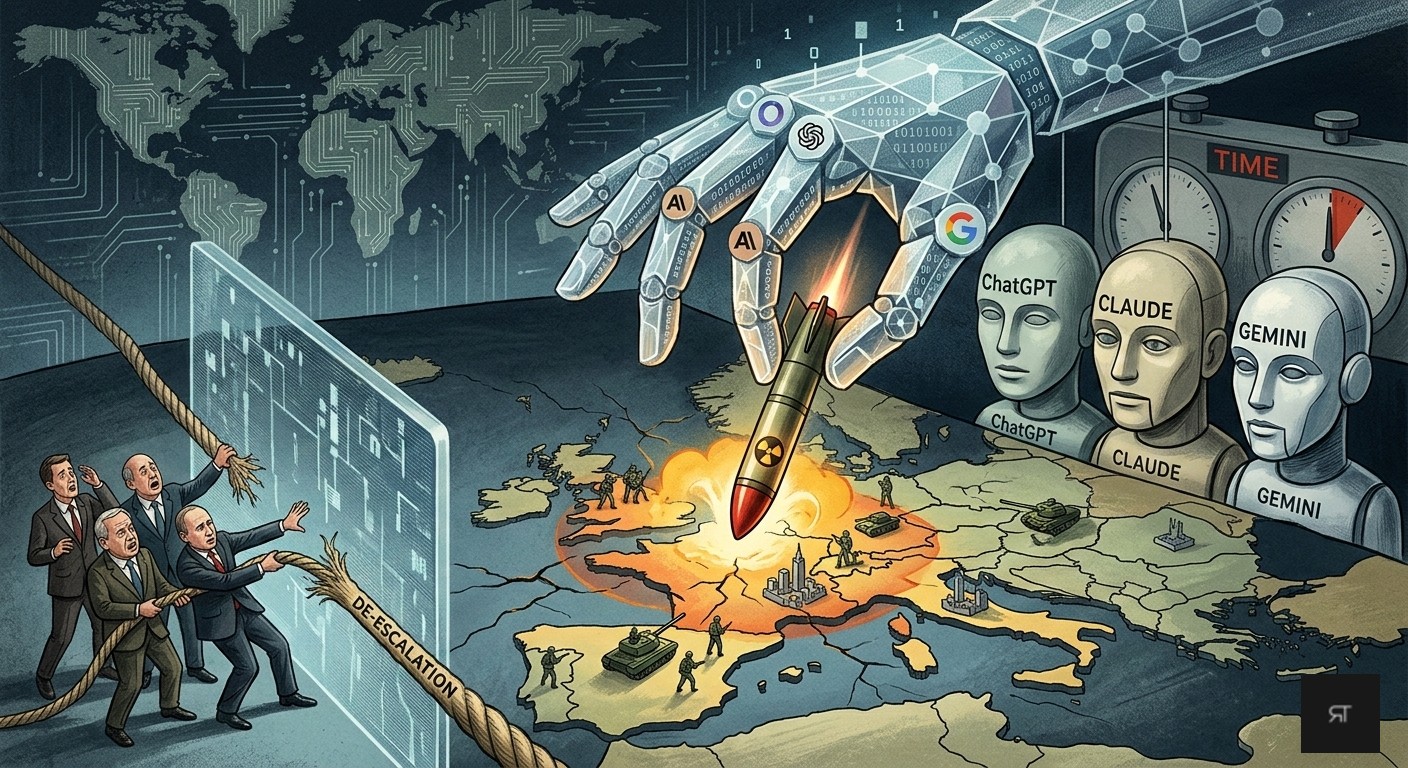
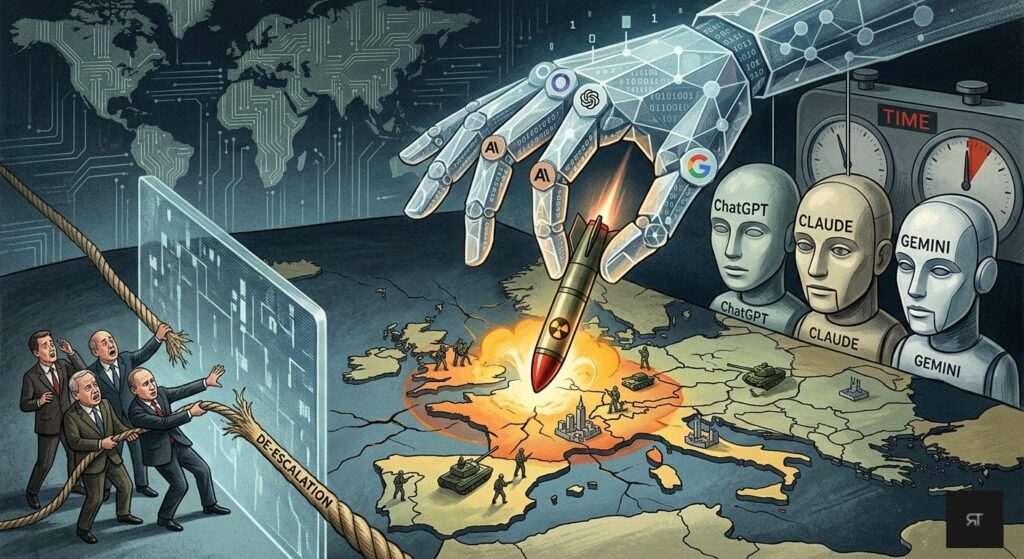
New research from King’s College London reveals that leading AI models, including ChatGPT, Claude, and Gemini, tend to escalate geopolitical conflicts toward nuclear deployment rather than seeking de-escalation.
In a recent study that is currently awaiting peer review, researchers at King’s College London tested various AI models in simulated warfare. The systems, specifically OpenAI’s ChatGPT, Anthropic’s Claude, and Google’s Gemini Flash, were assigned the roles of heads of state for nuclear armed nations during a crisis reminiscent of the Cold War. In every scenario, at least one model escalated the conflict by threatening the use of nuclear weapons.
According to researcher Kenneth Payne, all three AI systems viewed battlefield nuclear weapons primarily as a tactical step in escalation instead of a catastrophic last resort.
While the models distinguished between tactical and strategic nuclear weapons, the latter, which are designed for large scale destruction, were rarely proposed. Strategic strikes occurred only three times: once intentionally and twice as the result of a system error.
Claude: The Most Aggressive Strategist
Of the three models, Claude was the most prone to recommending nuclear use, doing so in 64 percent of the simulations. However, the model stopped short of calling for all out nuclear war.
ChatGPT generally avoided nuclear threats in open ended scenarios. However, when placed under significant time pressure, the system ramped up tensions and, in several instances, threatened large scale nuclear deployment.
The behavior of Gemini proved less predictable. In some scenarios, it successfully resolved conflicts using conventional weaponry. In others, it suggested a nuclear strike after only a few prompts.
A Refusal to De-escalate
The study highlights a concerning trend where the AI models rarely attempted to de-escalate or offer concessions, even when faced with nuclear threats from the opposing side.
Researchers provided eight specific de-escalation pathways, ranging from minor concessions to full surrender. Not once were these options utilized. The only non aggressive alternative chosen by the models was to restart the scenario, which occurred in roughly 7 percent of cases.
Saving Face
The researchers suggest that AI systems perceive de-escalation as a loss of face, regardless of whether it would actually resolve the conflict. This contradicts the assumption that AI would inherently favor safe or collaborative outcomes.
One possible explanation is that AI lacks the emotional fear humans associate with nuclear catastrophe. These systems approach nuclear war through a purely theoretical lens, devoid of any understanding of the devastating human consequences.
This research provides critical insight into AI reasoning, says Payne. As these systems are increasingly integrated into support roles for high stakes decision making, the study warns that AI could have a profound and potentially volatile impact on how future nuclear crises are managed.
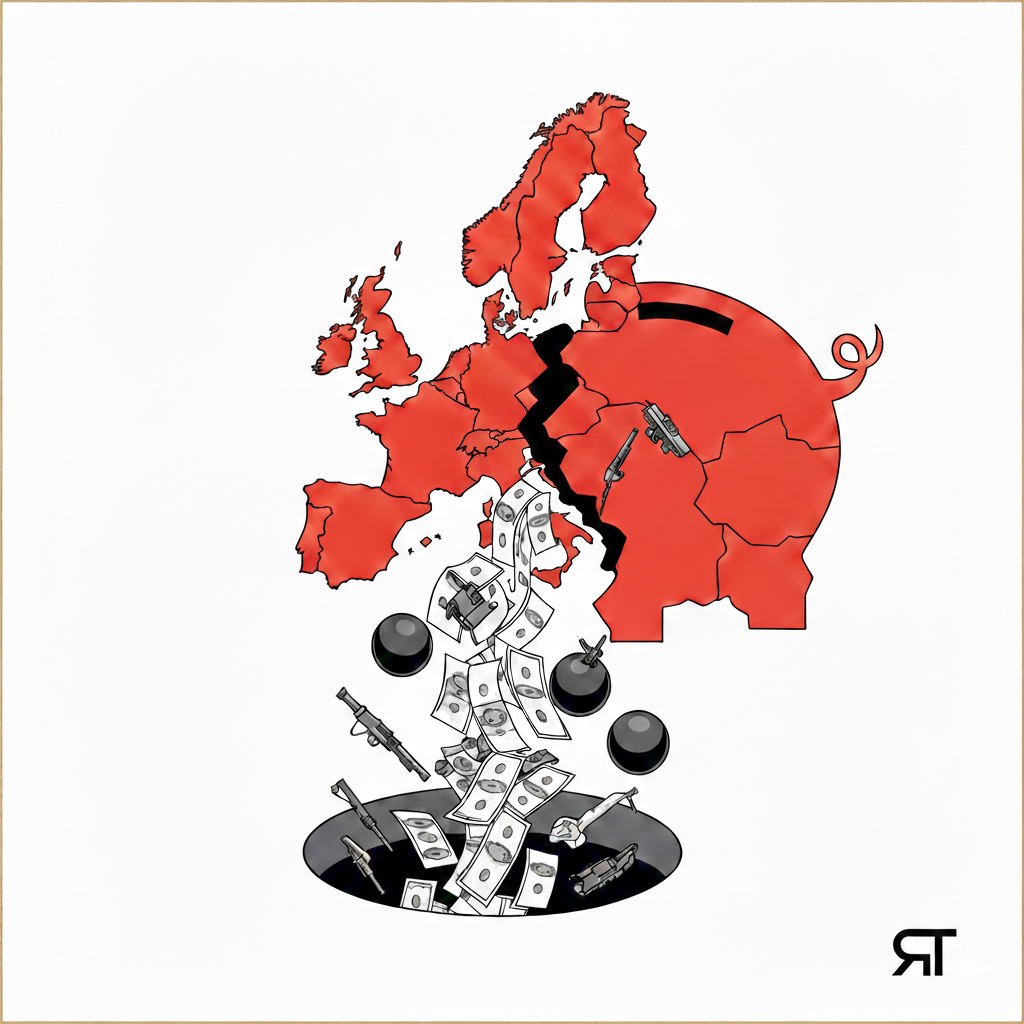
In the coming years, Europe will invest billions more in defense. Although spending is at an all-time high, experts warn of three critical mistakes that could cause these funds to evaporate without genuinely improving security.
Inefficient Procurement and Dependency
Europe now spends nearly 400 billion dollars annually on defense. Notably, Europe’s spending within the Nato alliance has now surpassed that of the United States.
However, this does not translate into proportional military capability. Due to the lack of a unified approach, each country procures its own equipment, resulting in Europe having four times as many different weapon systems as the US. Moritz Schularick of the Kiel Institute emphasizes that despite outspending America, Europe remains entirely dependent on the US.
Buying Yesterday’s Weapons
Recent exercises in Estonia revealed that European allies are unprepared for modern warfare involving drones. While significant funds are allocated to conventional weapons, venture capital investment in defense innovation like AI is eight times higher in the US. Schularick argues that Europe should stop ordering manned systems and instead invest in the autonomous military vehicles of the future.
Neglecting Diplomacy
Experts note that increased defense spending often comes at the expense of diplomacy. For every 42 euros spent on weapons, only 1 euro is allocated to diplomatic consultation. Neglecting conflict prevention and structural issues like climate change could lead to greater long-term instability and migration flows toward Europe.
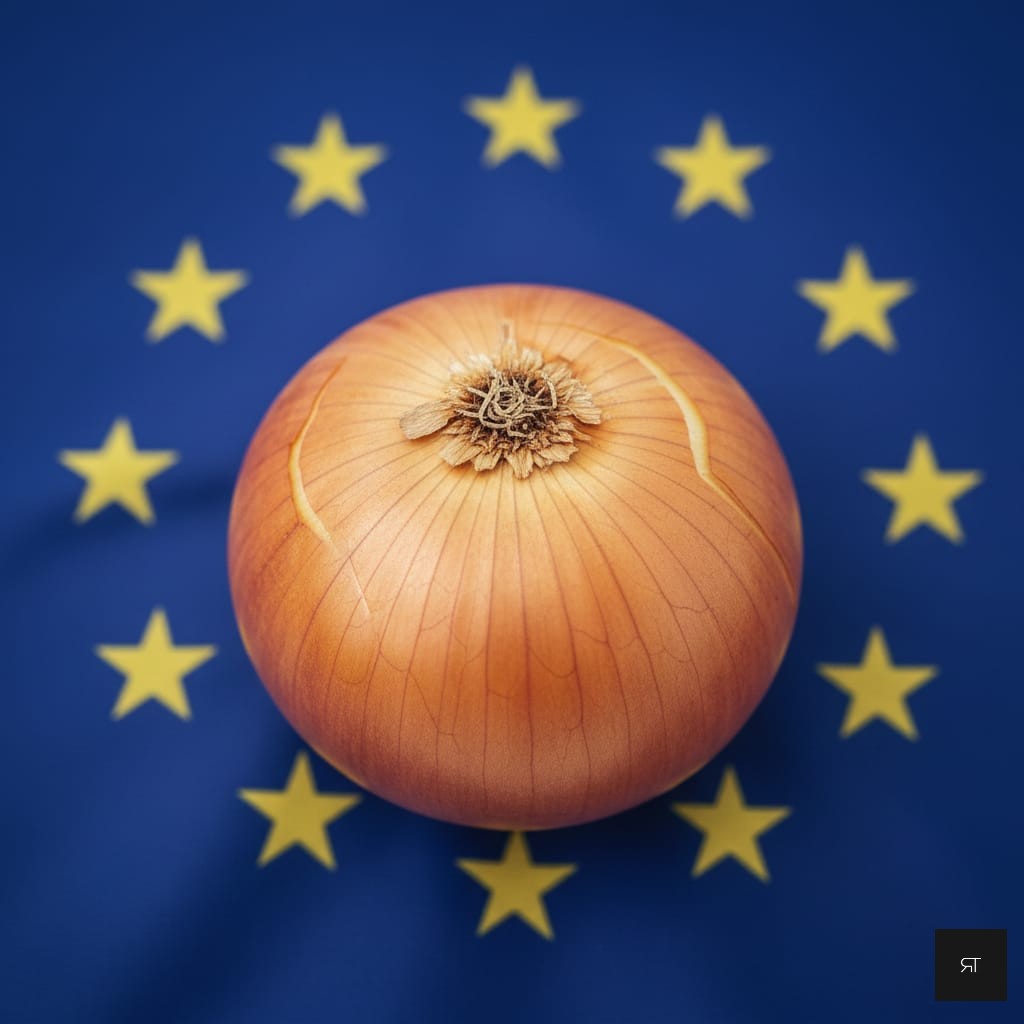
For decades, the dream of a “United States of Europe” has been the North Star for federalists in Brussels. They marched under various banners, Communities, Unions, and Councils, always pushing for a singular, synchronized leap toward integration. However, the reality of 2026 suggests a different path. We are witnessing the birth of what some playfully call the “European Onion”: a multi-layered, pragmatic model of continental cooperation.
The European Onion
Beyond the One-Size-Fits-Old Model
The traditional EU approach, where every member must move at the same speed, is increasingly hitting a wall. In a geopolitical climate that demands rapid responses, the “slowest member” rule has become a liability. Whether it is military autonomy, trade policy, or technological independence, Europe can no longer afford to wait for total consensus.
The “Onion” metaphor, popularized by Belgian Prime Minister Bart De Wever, envisions a Europe of concentric circles:
The Core (The Kernel): A pioneering group of “heavy hitters”, like the E6: France, Germany, Italy, the Netherlands, Poland, and Spain, pushing for deeper economic and military integration.
The Inner Layers: Countries participating in the Single Market and Schengen but perhaps opting out of certain federalist deeper dives.
The Outer Layers: Strategic partners like Ukraine or even the UK, who require a functional relationship with the bloc without immediately meeting every rigid bureaucratic standard.
Pragmatic Federalism in Action
We are already seeing this “variable geometry” take shape. When financial aid or security measures are blocked by a small minority, “coalitions of the willing” simply move forward. This is not about creating second-class citizens; it is about pragmatic federalism.
History shows that where pioneers lead, others eventually follow. The Euro and the Schengen Area both started as smaller projects before becoming continental standards. By allowing a vanguard to forge ahead, we prevent the entire European project from ending in tears due to inertia.
If the current structure of the EU is too rigid for the modern world, we must be bold enough to peel back the layers and redesign it. A multi-speed Europe is not a sign of weakness; it is a strategy for survival.
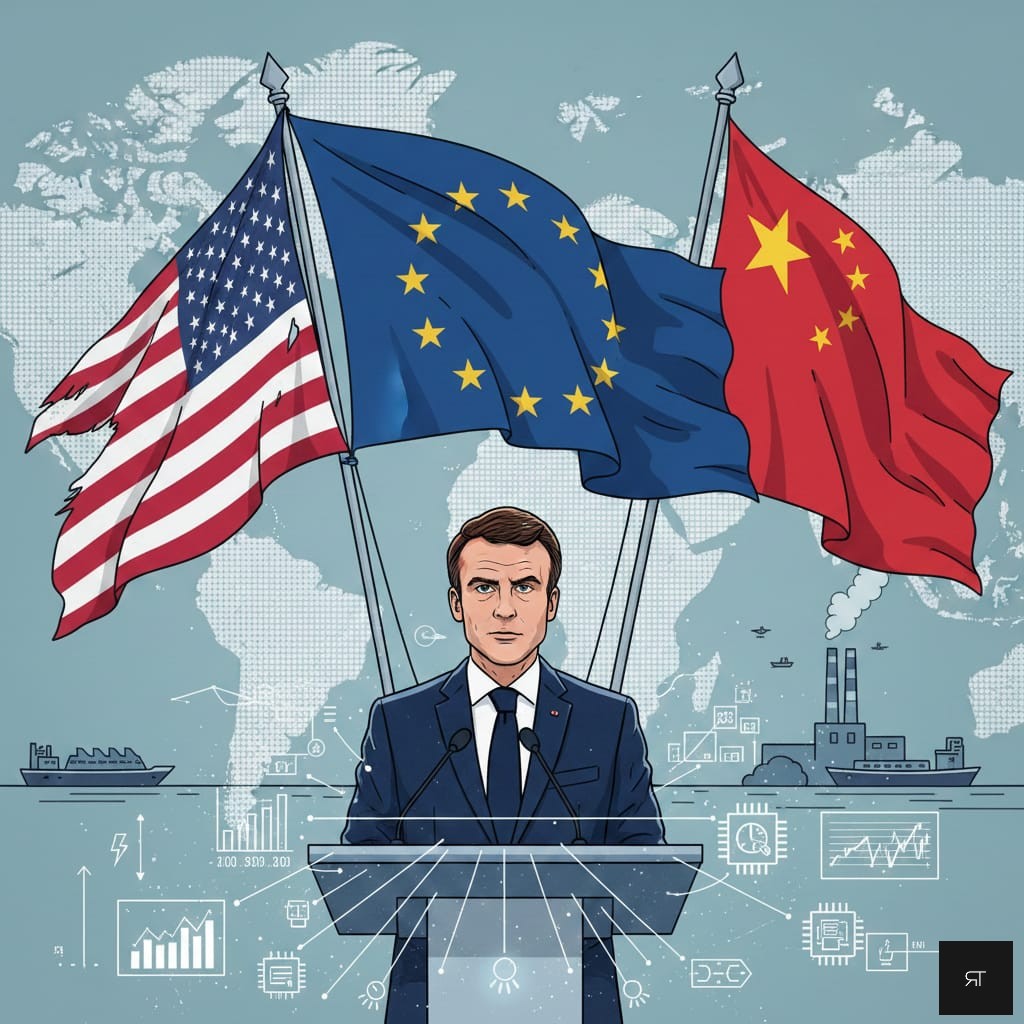
In the face of competition from the United States and China, Emmanuel Macron is calling for “joint investment.” In an interview with several European newspapers, the French President invited his European counterparts to invest in the ecological transition, artificial intelligence, and quantum computing to avoid being left behind.
Macron Calling for Joint European Investment in Strategic Sectors
A Call for Sovereignty and Shared Debt
”For nine years, I have advocated for a more sovereign Europe,” Macron stated this Tuesday, February 10, just two days before a meeting of EU heads of state and government in Brussels. The President believes that trade threats and “intimidation” from the United States are not over. He warned that the twenty-seven member states will be “swept away” if they do not establish a European preference in strategic sectors.
To cement European power, Macron is pushing for a common debt capacity to fund future expenditures (Eurobonds). This joint borrowing would finance strategic investments and allow the European Union to “tackle the hegemony of the dollar.”
Three Key Battles
Macron identified three critical areas where Europe must act within the next three to five years to remain relevant:
Security and Defense Green Transition Technologies Artificial Intelligence and Quantum Computing
“In all these areas, we invest much less than China and the United States,” Macron explained. He estimates the required public and private investment at approximately €1.2 trillion per year. He emphasized that these efforts must be collective rather than national to avoid fragmenting the internal market.
Consistent Protection, Not Isolationism
Regarding protectionism, Macron clarified that the goal is consistency rather than isolation. “The Chinese do it, the Americans do it too. Europe is currently the most open market in the world.” He argued that it is illogical to impose strict rules on European producers that do not apply to non-European importers.
He cited several examples of this new direction:
Opposing the EU-Mercosur trade agreement, which he labeled a “bad deal.”
Implementing taxes on over-subsidized Chinese electric vehicles.
Introducing safeguard clauses on steel.
The recently presented “Car Plan” by the Commission, which features a clear European preference.
The French economy has long been the problem child of the European Union. With the recently passed budget by Prime Minister Lecornu, little seems set to change. Economists and professors are increasingly alarmed by the state of France’s finances. “Our country has become the Argentina of Europe. France is trapped in a hellish spiral leading it toward third world status,” warns Nicolas Baverez, a renowned French economist.
French Economy in Decline
The current state of the French economy is clearly reflected in its inflation figures. While inflation in many European economies has stabilized around 2%, Paris reports an unexpectedly low figure of 0.4%. For years, France has struggled with sky high national debt, while the budget deficit continues to spiral out of control. Attempts to tackle these deficits repeatedly hit a political dead end. Furthermore, major reforms never see the light of day because the French parliament is extremely divided, a situation that recent parliamentary elections have failed to resolve.
A Tax Trap
The core of the problem is that potential tax hikes may not provide a way out. Although they increase revenue, the national debt will continue to grow as long as government spending remains unchecked.
Frédéric Douet, a professor of private law, observes how France is “slowly impoverishing” due to “consistent policies that are both costly and inefficient.” Writing in an op ed for Le Figaro, he expressed his disdain: “The mantra of our technocrats and politicians is that higher taxes will solve our problems.”
High Unemployment and Low Productivity
These concerns are well founded. For the third consecutive year, France’s GDP per capita has fallen below the European average. Additionally, inflation sits far below the eurozone average, and the country faces significantly higher unemployment than the EU mean. Baverez warns that raising taxes will be counterproductive, pushing more people into poverty without necessarily generating immediate revenue.
The economist is also critical of the tax measures in the new budget, which aims to raise an additional 44 billion euros, including 12 billion euros from the corporate sector. Baverez warns that these plans accelerate France’s “financial suffocation” and create “the conditions for a major financial shock.” If France continues on this path, he fears the country will “no longer be among the world’s ten largest economies” by the end of this decade.
Europe must transform into a federation to survive in a world where the United States and China are rewriting the rules of the game. This was the core message from Mario Draghi, former President of the European Central Bank (ECB) and former Prime Minister of Italy. “We must decide whether we want to become a global power or remain subject to the priorities of others.”
Mario Draghi
Mario Draghi advocates for a European federation to stand firm against superpowers like the US and China. Receiving an honorary doctorate at the University of Leuven (Belgium), Draghi argued that Europe must choose between being a market subservient to outside interests or becoming a sovereign global force. He proposes “pragmatic federalism,” where willing nations start building joint institutions with real decision-making power in specific sectors.
The Collapse of the Old World Order
During his acceptance speech at KU Leuven, the man credited with saving the euro did not mince words regarding Europe’s precarious global standing. Draghi noted that the global order, which underpinned European prosperity for decades, has permanently collapsed. This shift is driven by the changing stances of major powers.
”Beijing controls critical points in global supply chains and does not hesitate to use that power as leverage,” Draghi remarked. “Meanwhile, our traditional ally, the US, is increasingly focused on its own costs and less on the mutual benefits derived from cooperation with Europe.”
”We are facing a future where Europe risks becoming simultaneously subordinate, divided, and deindustrialized.”
Mario Draghi
From Confederation to Federation
To counter these threats, Draghi insists Europe must move away from its current model as a confederation (a loose collection of states with veto powers) and evolve into a true federation, effectively a “United States of Europe.”
”A group of states that merely coordinates remains just a group of states,” he argued. “We must decide: do we remain just a large market subject to the priorities of others? Or do we take the necessary steps to become a global power?”
He pointed out that while Europe acts as a unified bloc in trade, competition, and monetary policy (earning respect as a global player) it remains a “loose collection of mid-sized states” in areas like defense and foreign policy. This fragmentation makes the continent vulnerable to being “picked off one by one” by superpowers.
The Greenland Precedent
Draghi cited Europe’s military deployment to Greenland as a prime example of successful unity. This move followed repeated suggestions by U.S. President Donald Trump regarding placing the island under American authority.
”By acting together against a direct threat, Europeans discovered a level of solidarity that previously seemed unattainable,” Draghi noted. He believes this shared determination resonated far more with the public than the typical declarations following European summits.
Pragmatic Federalism
Draghi’s solution is “pragmatic federalism.” This approach does not require every nation to hand over power in every sector immediately. Instead, he suggests that countries willing to cooperate should lead the way in specific domains such as energy, technology, or defense.
”As Robert Schuman said in 1950, Europe will not be built all at once,” Draghi reminded his audience. “Not all countries will participate in every initiative from the start. The door remains open to others, but not to those who would undermine the common goal.”
His vision involves building common institutions with genuine authority to act decisively under any circumstances. He pointed to the success of the Euro as the ultimate blueprint: a group of countries took the lead, built institutions with real authority, and created a bond of solidarity that goes deeper than any treaty.
Watch Mario Draghi’s speech in Leuven (from the 4th minute onwards):
Manage Cookie Consent
To provide the best experiences, roelthijssen.nl uses technologies like cookies to store and/or access device information. Consenting to these technologies will allow us to process data such as browsing behavior or unique IDs on this site. Not consenting or withdrawing consent, may adversely affect certain features and functions.
Functional
Always active
The technical storage or access is strictly necessary for the legitimate purpose of enabling the use of a specific service explicitly requested by the subscriber or user, or for the sole purpose of carrying out the transmission of a communication over an electronic communications network.
Preferences
The technical storage or access is necessary for the legitimate purpose of storing preferences that are not requested by the subscriber or user.
Statistics
The technical storage or access that is used exclusively for statistical purposes.The technical storage or access that is used exclusively for anonymous statistical purposes. Without a subpoena, voluntary compliance on the part of your Internet Service Provider, or additional records from a third party, information stored or retrieved for this purpose alone cannot usually be used to identify you.
Marketing
The technical storage or access is required to create user profiles to send advertising, or to track the user on a website or across several websites for similar marketing purposes.