
Russia operates increasingly under the command of an isolated, security-obsessed leadership trapped within a self-constructed fortress.
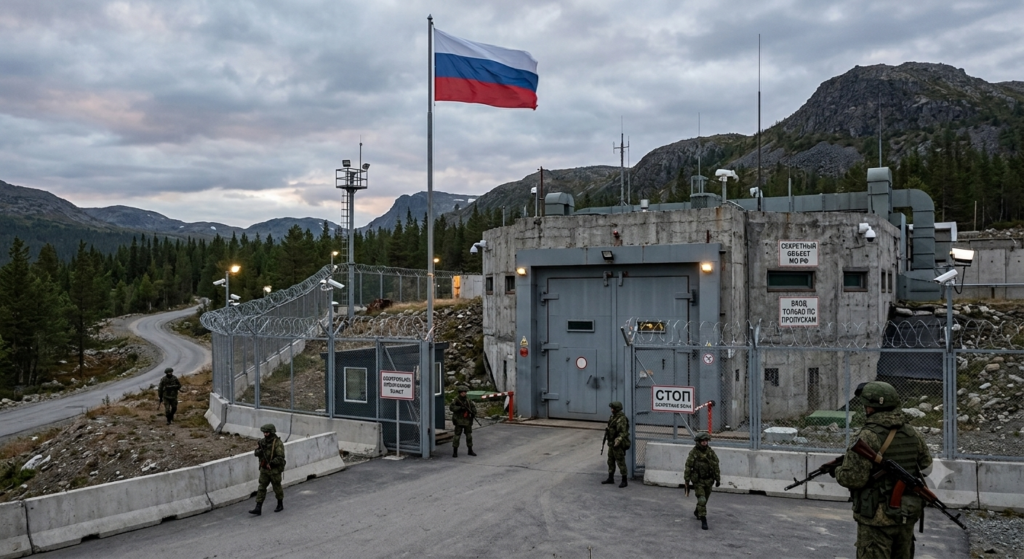
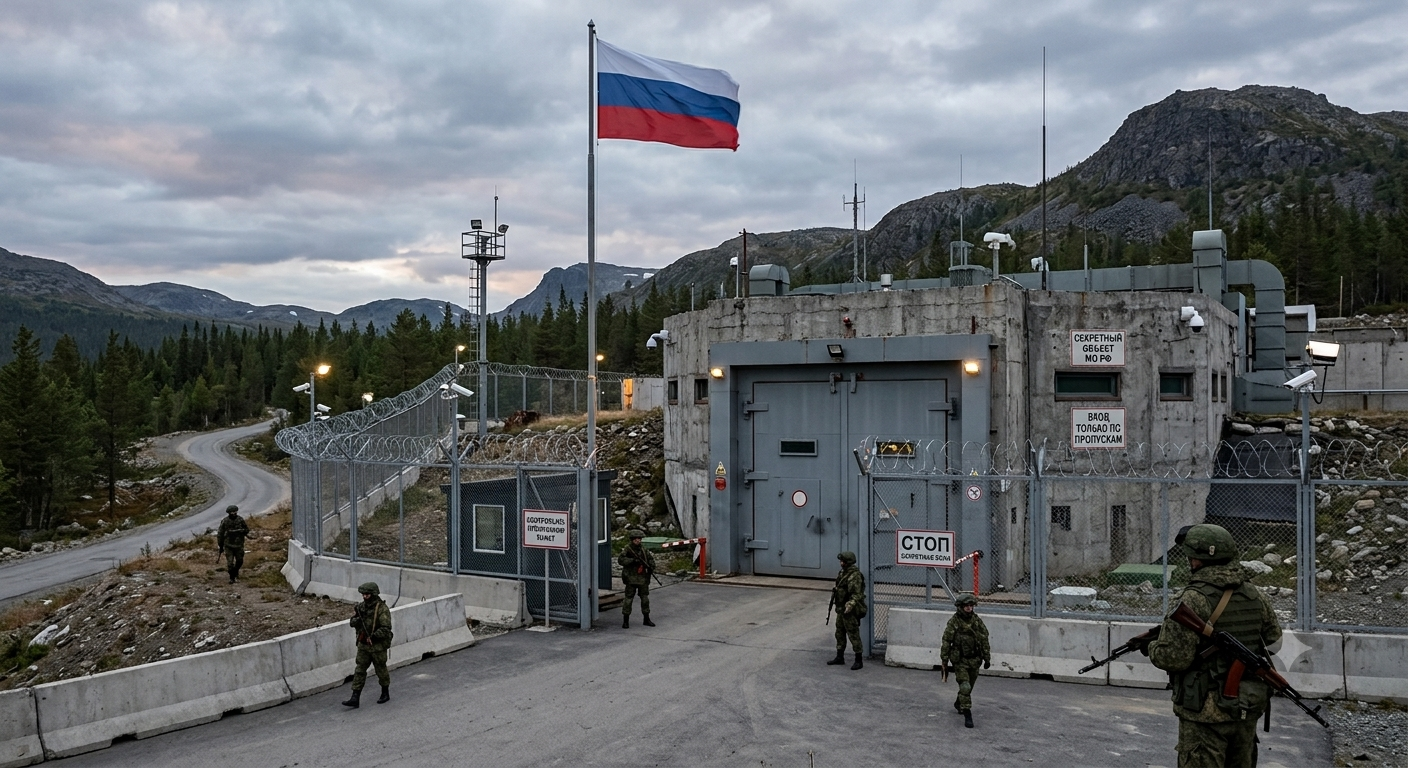
Drawing on extensive investigative reporting by foreign correspondent Benjamin Quenelle for the French newspaper Le Monde, Vladimir Putin’s governance has largely retreated into a network of reinforced bunkers, armored transports, and identical decoy offices.
What began as extreme sanitary isolation during the pandemic has hardened into a permanent political doctrine. Having tied his personal survival directly to the outcome of the war in Ukraine, the Kremlin leader governs through the lens of acute vulnerability, operating on an unforgiving logic where any sign of failure is perceived as fatal.
This personal retreat has driven a massive expansion of the security apparatus, transferring immense authority to the siloviki. As Le Monde highlights, officers from the intelligence and security services have effectively consolidated power around the executive.
The Federal Protection Service (FSO) has grown substantially to maintain continuous surveillance, deploy dedicated drone defense units, and test daily provisions. At the same time, the 370,000-strong National Guard enforces domestic compliance and regime priorities across the country.
Yet this elite security bloc is far from uniform. Growing rivalries, overlapping jurisdictions, and generational divisions between older loyalists and younger system bureaucrats have created a volatile internal dynamic. A critical question now looms over the Kremlin: when systemic pressure peaks, will these elites protect the leader or protect the apparatus itself?
According to Russian political analysts cited in the investigation, this internal insecurity results in a deliberate strategy of dual escalation. The regime simultaneously intensifies military aggression abroad while tightening totalitarian control at home to prevent any cracks in authority.
The Kremlin has cultivated a climate of pervasive suspicion, turning state security into the guiding principle of all public life. The Federal Security Service actively encourages mutual denunciations among citizens, while treason and espionage prosecutions have surged to numbers unseen since the Soviet era.
From the censorship of cultural institutions to the direct monitoring of school curricula by security officers, Russia’s internal landscape has been thoroughly restructured.
The Russian state has transformed into a defensive machine, trapped in both a physical and political bunker of its own making.
Hi Roel,
An excellent piece that lays bare the structural fragility behind the Kremlin’s fortress. As someone teaching International Relations here in Lisbon, I observe that history rarely leaves such hyper-centralized, bunker-led regimes intact once the central figure departs.
By subordinating all state institutions to personal survival and empowering a fractured tier of siloviki, Putin has hollowed out any mechanism for an orderly succession.
When his rule concludes, Russia will face not merely a transition of power, but an acute legitimacy vacuum.
The crucial question is whether the security apparatus can maintain cohesion or if competing intelligence factions will turn inward, transforming bureaucratic rivalry into open conflict for resource control.
Moreover, the prospect of systemic fracturing cannot be dismissed. The Russian Federation holds together diverse regions, republics, and ethnic populations under immense coercive pressure from Moscow.
If the center falters and the financial pipelines dry up, peripheral regions in the Caucasus, Siberia, or the Far East may calculate that their economic and political survival lies in autonomy rather than loyalty to a broken metropolis.
The true crisis of the bunker state is that by destroying every independent institution, it ensures that the fall of the leader risks the unraveling of the state itself.
Warm regards from Portugal,
João