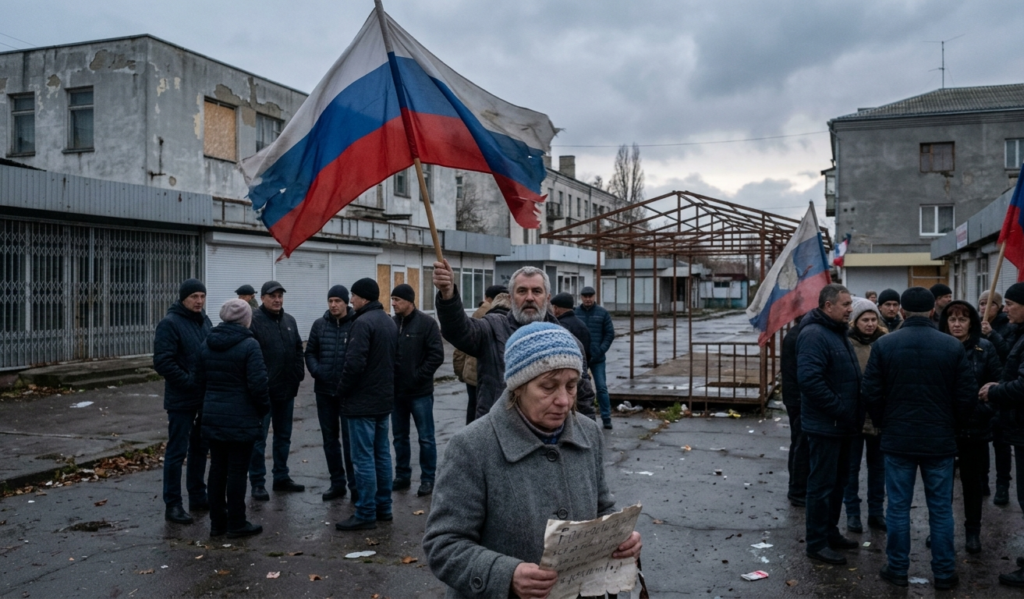
Earlier in May, the Russian central bank adjusted its outlook, projecting a 0.5% contraction of the economy rather than the previously anticipated 1.6% growth. According to the report, even this revised forecast is likely ‘too optimistic’, raising further doubts regarding the accuracy of official data.
Growth is now confined strictly to the Russian defense sector, while the civilian economy stagnates. The report notes that Russian foreign trade volumes have hit a 15-year low, and fixed asset investments have ground to a near-total standstill. High inflation leaves the Russian central bank with virtually no room to lower interest rates, which currently stand at 14.5%. Furthermore, Russia’s financial reserves are largely depleted. At the outbreak of the war, the National Wealth Fund held reserves equivalent to roughly 6.5% of gross domestic product (GDP). These reserves have now dwindled to 1.8% of GDP.
Oil
Following Ukrainian strikes on Russian oil infrastructure, Russian oil production dropped to a one-year low in May. Over the past month, Ukraine launched at least 31 attacks targeting refineries and pipelines inside Russia. A monthly report from the oil cartel OPEC indicates that Russia produced an average of just over 9 million barrels of crude oil per day in May.
As a result of these attacks, Russian oil processing volume has dropped in June to its lowest level in two decades, according to estimates by analysts at the consultancy firm Energy Aspects.
The report reveals that higher oil prices driven by conflicts in the Middle East offer only temporary relief to the state budget, as export volumes have fallen significantly. Nevertheless, revenue from oil and gas exports remains ‘by far the most critical variable’ funding the war machine. Consequently, the economists call for stricter enforcement of sanctions and the introduction of a special import duty on remaining trade with Russia, with the proceeds used to support Ukraine.
Dependence on China
A key point highlighted in the report is Russia’s growing dependence on China. The economists describe this relationship as increasingly lopsided: China purchases Russian raw materials at a discount, while Russia buys Chinese goods at premium prices. Report co-author Alicia García-Herrero notes that while Moscow has received an ‘economic lifeline’, China is the one dictating ‘the terms of the relationship’. Although trade with China enables Russia to sustain its war economy, it leaves Moscow more vulnerable in the long term due to restricted economic autonomy.
Russian Regions
The report notes that many poorer Russian regions have benefited from increased defense spending, narrowing the income and wage gap within the country. High salaries offered to military recruits also contribute to this trend.
Earlier this month, data showed that Russian regions are collectively facing record deficits this year due to the war. According to Russian Finance Minister Anton Siluanov, the deficit this year will rise by 400 billion rubles ($5.3 billion) compared to last year. An increasing number of Russian regions are heading toward financial shortfalls. While 49 provinces recorded a deficit last year, 73 regions are expected to be in the red this year, the finance minister reported. Siluanov acknowledged the severity of the situation, noting that regional deficits typically total between 200 and 300 billion rubles.
Last year, the total reached 1,500 billion rubles, and at least another 400 billion will be added this year, pushing the final figure close to 2,000 billion rubles.
Today, Brussels presented the European Technological Sovereignty Package, a comprehensive collection of measures. In some areas, it focuses on updating existing legislation.
Europe intends to remain an open economy and avoid protectionism, emphasized European Commissioner for Tech Sovereignty Henna Virkkunen. “But it must also be able to make its own choices.” Currently, that is not happening enough because more than 80 percent of the digital products and services used in Europe are purchased from outside the EU. This is the result of decades of choices, she noted, which caused Europe to “consume more than it produces.”
Key Highlights of the Package
It is too late for Europe to become a global leader in AI development. That ship has sailed. However, the EU could still “win the battle for AI adoption and implementation,” according to the Commission. In terms of applying AI, businesses and citizens in the US and the EU barely differ. In fact, some European countries, such as Sweden, are further ahead than America.
The same reasoning applies to chips and semiconductors. Europe traditionally possesses a strong industrial base. The Commission believes this base must recover and strengthen by utilizing more AI and chips. To achieve this, greater security of supply is required. Several measures aimed at strengthening the sector and increasing Europe’s market share in semiconductor production will be included in an updated law, the Chips Act 2.
There is a strong desire to prevent “Nexperia scenarios.” This means preventing supply disruptions of small chips from disrupting the European automotive industry. European companies should always have at least two suppliers available from which to source crucial components.
All Europeans must transition to smart energy meters to help conserve energy. The European Commission is making it easier to share energy consumption data within Europe.
Data center capacity in Europe needs to triple over the next five to seven years. Every country should designate areas for data centers because the demand for computing power is growing much faster than the supply in Europe. If this remains unchanged, dependency on non-European cloud service providers will continue to increase. It is an illusion to think that you can continue to digitalize without building data centers, Commissioner Virkkunen stated. “Using a smartphone without a data center is like putting your phone on airplane mode.”
There will be no “Buy European” mandate for IT services in the European Union. However, when issuing public tenders, governments will be required to consider whether their purchases provide “added value for Europe.” This criterion can apply to all areas, ranging from investments and jobs to access to rare technology.
The Commission has established a four-tier sovereignty scale for cloud services. For a small portion of the most sensitive government data, such as judicial evidence and sensitive defense data, only tier-four services may be used. These will exclusively be European providers. Non-European providers may be hired for tier-three data traffic and management following an assessment by the European Commission. This will be extremely difficult for US companies, Virkkunen noted. According to Commission sources, approximately 70 percent of government work falls into “tier 1.” This implies that, in practice, little will need to change regarding the use of US cloud services by governments.
The European Commission wants to provide extra incentives for prototype development. Currently, a significant amount of EU funding goes toward research. However, when companies want to develop products based on that research to capture markets, they often move to the US in search of investors. The playing field for these startups and scale-ups should change by allocating EU funds differently, focusing more heavily on product development.
The European Commission wants to enable EU member states to share data center capacity without undergoing procurement procedures. This would allow them, for example, to back up sensitive government data in a neighboring country and vice versa. The term being used for this concept is “digital embassies.”
The European Union is stifling artificial intelligence innovation and pushing tech companies out of the region with burdensome rules, warned Christophe Fouquet, CEO of ASML.
As the head of Europe’s most valuable tech company, Fouquet noted that the bloc’s restrictive regulatory approach is out of touch with actual industry needs. ASML, valued at 515 billion euros and based in the Netherlands, manufactures the highly advanced lithography machines required to print the world’s most sophisticated microchips. These chips power everything from smartphones and data centers to the complex AI models currently transforming the global economy.
A Growing Rift Over the AI Act
In an exclusive interview, Fouquet highlighted a growing divide between Brussels policymakers and major industrial leaders. He specifically criticized the EU’s landmark AI Act, pointing out that European authorities are imposing strict boundaries before local companies have even had a chance to build competitive products.
”We didn’t start running, we didn’t start even walking, and we already had in front of us all the obstacles to not be able to make even the first step,” Fouquet stated, adding that this approach does not serve the industry.
The disconnect is highly visible in ASML’s own commercial data. An astonishing 99 percent of the company’s machine sales currently come from outside of Europe.
This warning follows a joint letter sent to European Commission President Ursula von der Leyen by a coalition of Europe’s largest industrial giants, including ASML, Airbus, Ericsson, Nokia, and Siemens. The companies collectively warned that over-regulation risks permanently hobbling European firms in the face of intense competition from American and Chinese rivals.
The Problem with Subsidizing Supply Without Demand
While EU policymakers recently introduced an “omnibus” simplification package to ease some rules for industrial AI applications, Fouquet dismissed the logic of creating overly complex legislation just to scale it back later. Instead, he urged Brussels to collaborate directly with businesses when drafting industry frameworks.
Fouquet also cautioned against the EU’s upcoming tech sovereignty package, which aims to build up domestic data centers and microchip factories. He argued that spending massive amounts of public subsidies on manufacturing plants is pointless without first stimulating local market demand for AI applications and cloud infrastructure.
As an example, he pointed to Intel’s collapsed project to build an advanced chip factory in Germany. Fouquet noted that because Europe currently lacks a robust ecosystem of companies utilizing ultra-advanced chips, any wafers produced by such a factory would simply end up being exported to the United States.
In response to the criticism, European Commission spokesperson Thomas Regnier defended the legislation, stating that the AI Act ultimately fosters investment by increasing consumer and industry trust. He emphasized that the recently updated rules offer clearer timelines and a more innovation-friendly environment for European tech companies.
The former ECB chief drops a political bombshell in Strasbourg: without a unified government, Europe will remain a second-tier power.
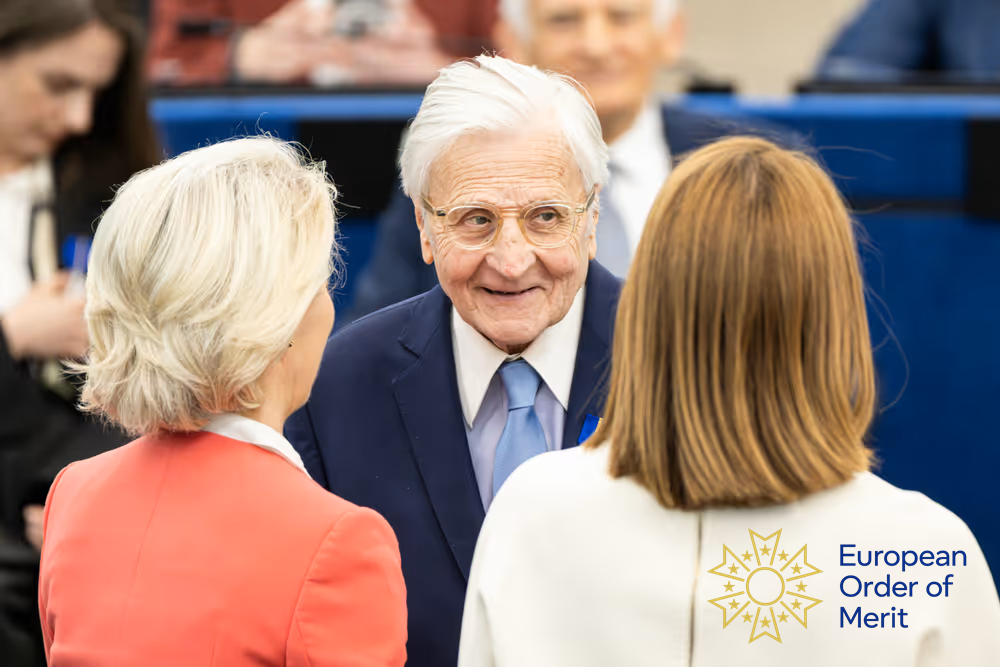
Jean-Claude Trichet receiving the European Order of Merit, 19 May 2026 – European Parliament
At 83 years old, Jean-Claude Trichet measures political progress in centuries. He has earned that right. As the man who spearheaded the European Central Bank for eight turbulent years, he successfully steered the euro through its most existential crisis. He knows firsthand the devastating price of political shortsightedness. On Tuesday 19 May, while accepting the European Order of Merit at the European Parliament in Strasbourg, Trichet didn’t mince words about his core conviction: “We need a federal European Union.”
Speaking with a small group of journalists immediately following the ceremony, Trichet delivered an analysis every bit as sharp and clear as Mario Draghi’s recent warnings. His thesis is simple: without a unified military and a single foreign policy, Europeans will remain exactly what they are today: potential vassals. They risk becoming economic dependents of the United States, or worse, “the new vassals of Russia, which would be the ultimate disaster.”
You don’t have to look far for proof. Take the ongoing trade negotiations with Washington. Trichet labels Europe’s handling of the situation “an absolute disgrace.” The reason? Donald Trump leverages the full, unified weight of the United States, while European leaders scramble to protect their own narrow interests in a game of every man for himself.
The Euro Was Just the Beginning
Can a true political union ever materialize when EU member states are constantly fighting over a geographically fair return on every single euro spent from the European budget? Trichet knows better than anyone that the euro is currently Europe’s only truly federal powerhouse.
Yet, looking back, the currency itself was a hard-fought battle. Germany was notoriously reluctant to abandon the Deutsche Mark, fearing it would dilute their monetary strength. At the time, Chancellor Helmut Kohl demanded a “political union” as a mandatory prerequisite for the euro. “It was obviously an excuse to delay the launch,” Trichet admits. “But he wasn’t wrong, either.”
Fast forward 27 years. The eurozone has expanded to 21 members, yet Trichet is deeply frustrated by how little has changed on the ground. “We still don’t have a single market for commercial banking, capital markets, telecommunications, or major tech platforms,” he laments. “In fact, we don’t even have any major digital platforms.” Instead, Europe remains crippled by vertical silos that serve as highly inefficient economic barriers.
This fragmentation is on full display in the corporate world. “Country X doesn’t want its top bank bought out by a rival from Country Y. We see it every single day,” Trichet points out. He is referring to the recent corporate showdown where the Italian bank Unicredit tried to take over Germany’s Commerzbank, only to run straight into a political brick wall erected by Berlin. The former ECB chief calls this a “glass ceiling” that actively suffocates European power on the global stage.
Airbus: The Exception That Proves the Rule
When asked to name Europe’s single greatest federal industrial success story, Trichet doesn’t hesitate for a second. “There is only one: Airbus (where Trichet served as a board member for five years). It’s the world leader in civil aviation. But there isn’t a second one. Why? Because we don’t have a true single market.”
Both the Draghi and Letta reports laid bare the staggering economic toll Europe pays for its national fragmentation. The continent continues to safeguard countless technical barriers across various industries, all to protect local monopolies and regional champions. The result? Lacking access to a frictionless domestic market, these companies remain economic dwarfs in global competition.
The Fear Factor and the American Solution
The political roadblock is predictable: smaller European nations are terrified of being swallowed whole by powerhouse neighbors like France or Germany. It is a structural hurdle Trichet recognizes well.
“That is the fundamental challenge of any federation,” Trichet notes. “The United States solved this problem with the Senate, where every state, large or small, gets exactly two senators. Is it perfectly democratic? Not at all. But that is how you successfully build a federation with the consent of all its moving parts.”
For Europe, the path to a political union will have to start with national defense. A unified military demands a unified foreign policy. And a unified foreign policy is completely useless unless European nations can agree on shared geostrategic analyses. That realization is slowly starting to sink in. The return of large-scale warfare to European soil has fundamentally changed the math. European leaders are beginning to understand that if they stay the course, they risk becoming vassals to foreign powers that are already organized and on the offensive.
The Missing Finance Minister
During his acceptance speech, Trichet reminded the audience that back in 2011, he proposed creating a dedicated eurozone finance minister. He also advocated for the European Parliament to have the ultimate tie-breaking vote whenever a member state clashed with EU institutions like the Commission or the Council. Trichet envisioned this crisis-mode surge in centralized executive and legislative power as a “federation by exception.”
Fifteen years later, that vision is dead in the water. The eurozone finance minister idea, once championed and later abandoned by French President Emmanuel Macron, never materialized. Worse, the Council, which represents national governments, increasingly views the European Parliament as a slow, unpredictable body packed with populist factions openly hostile to the EU. The odds of member states ceding the final word to Parliament are practically zero.
France’s Financial Drift
This half-baked federalism hits individual nations right in the wallet, and France is currently paying a steep price. Trichet knows the data by heart. In 2008, when Lehman Brothers collapsed, the French public debt-to-GDP ratio was at 64%, mirroring Germany’s fiscal health exactly.
“We weren’t targeted by the markets like Greece, Ireland, Portugal, Spain, or Italy because our fiscal standing was credible,” Trichet emphasizes. But since then, France has completely lost its grip. “Regardless of the economic circumstances or who was in office, we let things slide.”
Today, France sits as the third most indebted country in the eurozone, outpaced only by Italy and Greece. “It is well past time for France to clean up its public finances,” Trichet warns. “This is the ultimate French vulnerability.”
While he gives credit to the Macron administration for doing solid microeconomic work, boosting domestic business creation and pulling in foreign direct investment, he argues the big picture was ignored. “We completely neglected public finances. That needs to be the nation’s absolute top priority.”
Top political figures have tried to warn the French public about the looming financial crunch, but the message isn’t sticking. The public hears the warnings, but nobody wants to take the hit. “It’s a uniquely French malady,” the former central banker says with a note of disillusionment. “France has gotten comfortable asking the rest of the world to bankroll its excess spending. Everyone has grown addicted to easy money.”
The Greek Example vs. Italy’s Crisis
If Europe wants a real lesson in the dangers of fiscal negligence, it should look to Greece. Once an economic pariah, the country is transforming into a model of fiscal discipline. Trichet remembers the darkest days of the eurozone crisis vividly, when global markets were betting heavily on a “Grexit” and powerful European governments, most notably Germany, were actively trying to push Athens out the door.
But Greece chose a different path. The Greek people refused to abandon the euro, and successive governments held the line through monumental sacrifices, tackling massive double-digit deficits in both public spending and current accounts. “The Greek people and their leaders deserve immense credit,” Trichet says.
The turnaround is striking. According to official financial projections, Italy is on track to overtake Greece as the most indebted nation in the eurozone, with the Italian Treasury projecting a debt-to-GDP ratio of 138.6%. Meanwhile, Greece expects to slash its ratio to roughly 137% this year, down from 145.9% last year. It is a massive recovery for a country whose debt peaked at a staggering 209.4% in 2020.
For Trichet, the takeaway is simple. “Nothing is ever truly finished.” Not for Greece, not for France, and certainly not for Europe. The only question left is whether today’s leaders can summon the political courage to act, an asset that remains in critically short supply.
The contemporary international landscape is undergoing a profound structural transformation characterized by the erosion of traditional transatlantic cohesion and the emergence of new strategic alignments.
Recent shifts in United States foreign policy (specifically regarding the escalation of conflict with Iran and the subsequent closure of the Strait of Hormuz) have acted as a catalyst for global realignment. By analyzing the diplomatic outcomes of the European Political Community (EPC) summit in Yerevan, I am exploring the dual phenomena of non-Western tilt toward Russo Chinese influence and the simultaneous consolidation of Western middle powers around the European Union’s institutional framework.
Introduction
The onset of military hostilities against Iran, initiated by the Trump administration with Israeli support, has triggered a series of systemic shocks that extend far beyond the Middle East. The resulting maritime blockade of the Strait of Hormuz has disrupted global energy and fertilizer supply chains, forcing a pragmatic reorientation of trade policies in the Indo Pacific. Concurrently, the decision to withdraw substantial military contingents from Germany and Romania has signaled a retreat from the post Cold War security architecture, prompting a re evaluation of the European Union’s role as a primary security guarantor for democratic states.
The Pragmatic Pivot: Energy Security and Russian Influence
Data from recent trade agreements suggests that Asian and Middle Eastern powers are increasingly prioritizing resource security over normative alignment with Western sanctions. The disruption of traditional supply routes has led nations such as India, Indonesia, and the Philippines to strengthen ties with Moscow.
Industrial Infrastructure: The joint development of urea production facilities between India and Russia indicates a long-term strategic commitment to agricultural stability.
Nuclear Energy Expansion: The ratification of contracts for nuclear power plant construction in Vietnam and Myanmar signifies a shift toward Russian technological dependence in the energy sector.
Resource Pragmatism: Negotiations involving Thailand and the UAE regarding Russian fertilizer imports demonstrate that the “aggressor” narrative prevalent in EU discourse fails to resonate in regions where domestic food and energy security are at stake.
Strategic Sentiment and Historical Path Dependency
The resilience of Russian and Chinese influence in the Global South can be attributed to deep seated anti Western and anti colonial sentiments. For many former colonies and erstwhile communist states, the perception of Russia as a counterweight to Western hegemony remains potent. China, under President Xi Jinping, leverages this sentiment to challenge the existing world order. The “century of humiliation” serves as a foundational narrative for Beijing’s current strategy: ensuring that Russia does not face a strategic defeat in Europe, which would otherwise bolster Western dominance and impede the transition to a multipolar system.
The Yerevan Summit: The EU as a Normative Anchor
In contrast to the shift toward Moscow in Asia, the European Political Community (EPG) summit in Yerevan (May 2026) demonstrated an unexpected level of European and “Western aligned” consolidation. The choice of venue (a former Soviet republic) served as a symbolic rejection of Russian regional hegemony.
A significant development was the participation of Canadian Prime Minister Carney, marking the first time a non-European leader joined the EPG. This move signals a search for strategic alternatives to the United States among traditional allies. Under the leadership of European Council President António Costa and figures such as Macron and Von der Leyen, the EU is increasingly viewed as a primary bastion of the international rule of law.
Conclusion: The Erosion of US Hegemony
The current trajectory of US foreign policy (defined by the instrumentalization of military withdrawals as political punishment, such as the drawdown of troops in response to Chancellor Merz’s criticism) is inadvertently accelerating American isolation. While the White House may perceive these actions as exercises of power, the systemic result is the fragmentation of the global order.
Trump’s policies have not only driven key regional players into the Russo Chinese orbit but have also forced a consolidation of Western powers around the European Union, potentially diminishing the long term geopolitical leverage of the United States.
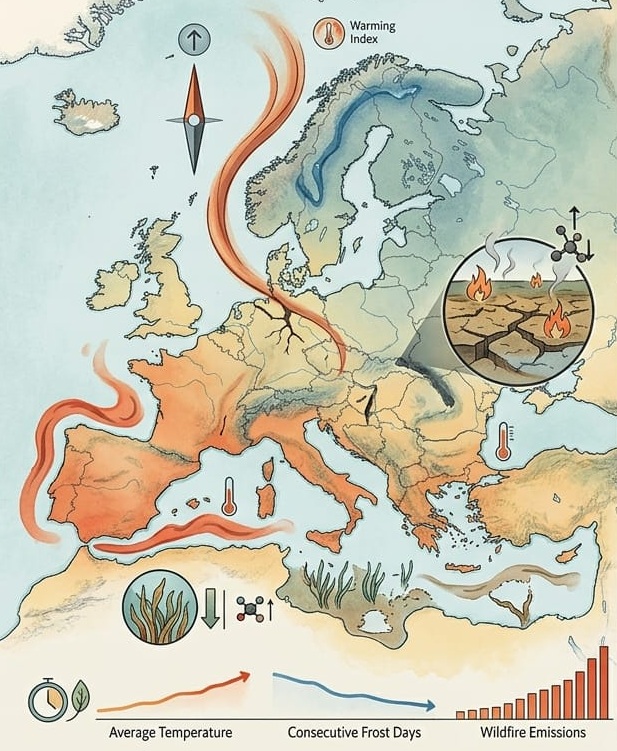
Europe is currently the fastest warming continent on Earth, with temperatures rising at double the global average rate. According to the latest findings from the EU climate monitoring service, Copernicus, the continent is now approximately 2.5°C warmer than in the pre-industrial era. This rapid shift is creating a profound impact on ecosystems, biodiversity, and regional stability.
The Arctic Feedback Loop
A primary driver behind this accelerated warming is the proximity to the Arctic. As northern ice cover retreats, the earth loses its ability to reflect sunlight. This causes the dark ocean waters to absorb more heat, creating a self-reinforcing cycle that disproportionately affects the European landmass, even in southern regions.
Shifting Winters and Extreme Heat
The geographical distribution of traditional winter weather is shrinking significantly.
Vanishing Frost: In many parts of Western Europe, the historical norm of two consecutive weeks of sub-zero temperatures has nearly disappeared since 1990.
Northern Heatwaves: Regions just below the Arctic Circle have recorded unprecedented three-week heatwaves with temperatures climbing to 30°C.
Marine Heat: The Mediterranean and the Atlantic waters near the European coast have reached “exceptionally high” surface temperatures, fueling extreme weather events on land.
Environmental Vulnerabilities
The report highlights the critical state of European carbon sinks, natural areas that absorb CO2.
Seagrass Meadows: In the Mediterranean, Posidonia oceanica meadows have declined by 34% over the last fifty years due to rising water temperatures.
Peatlands: Vital areas like the Peel regions in the Netherlands are under threat. As water levels drop, these carbon-rich lands dry out, increasing the risk of peat fires
The degradation of these areas creates a dangerous feedback loop: as they disappear or burn, they release stored carbon back into the atmosphere, further accelerating the very climate change that is destroying them.
Wildfires and Record Emissions
The combination of dried-out landscapes and intense heatwaves in Southern Europe has led to a dramatic increase in wildfire activity. Last year, the total area burned and the resulting carbon emissions reached record highs for the continent, particularly impacting Spain and Portugal.
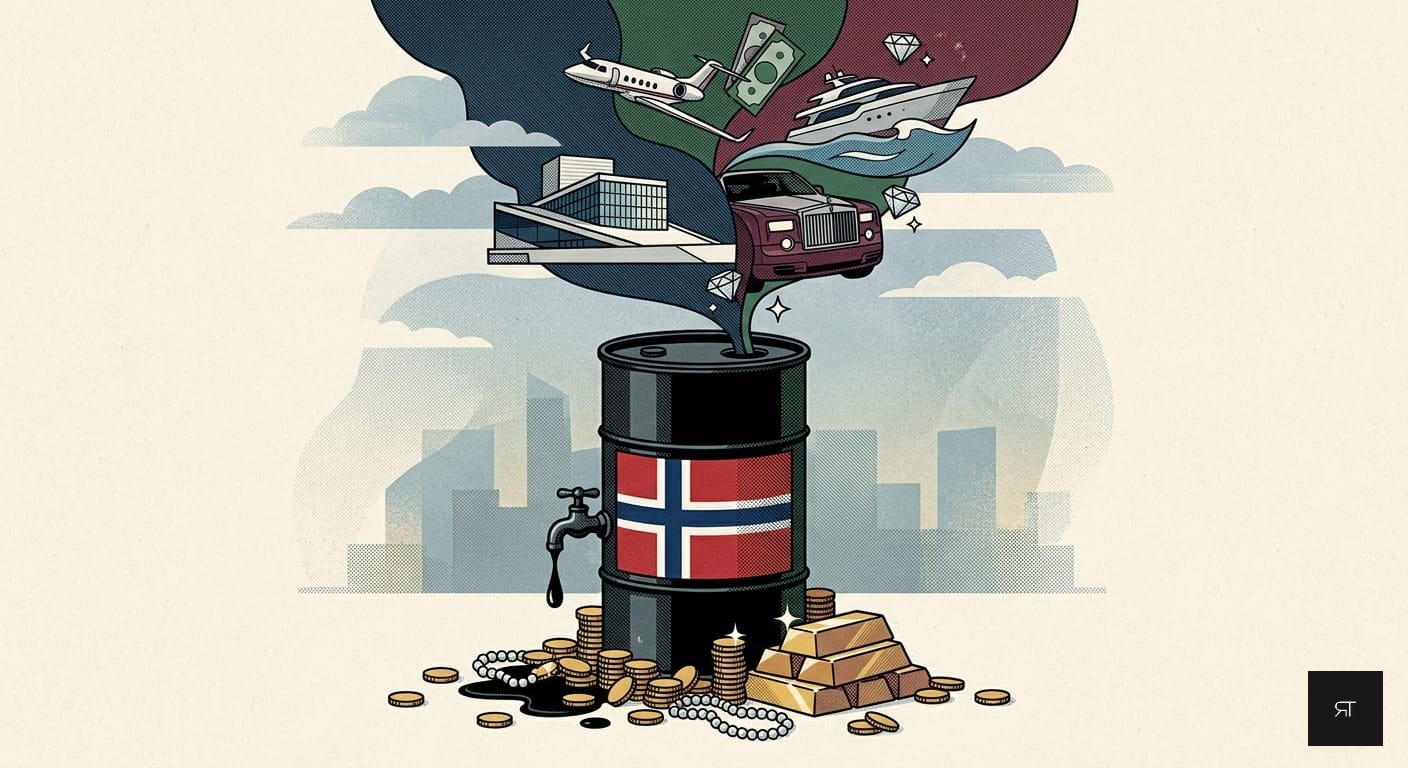
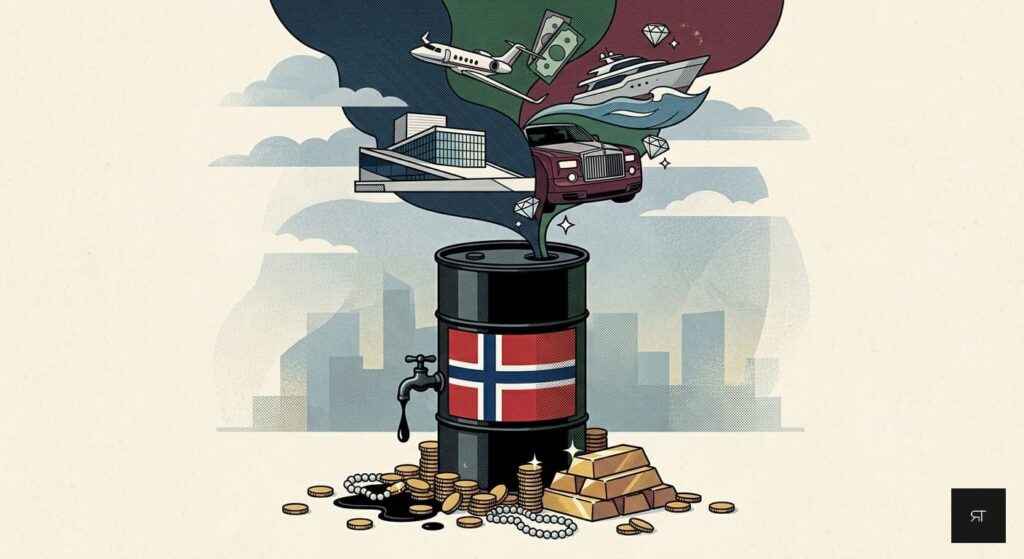
While most nations strive for economic growth, Norway presents a unique paradox: a country so affluent that its success may be eroding its future resilience. The nation’s immense oil wealth has created a society where financial constraints feel like a relic of the past, but this “unlimited” budget is starting to show significant side effects.
A Monument to Excess
Oslo’s skyline is dominated by the Munch Museum, a 13-story architectural marvel of glass and aluminum. While it stands as a tribute to Scandinavia’s artistic heritage, it also serves as a symbol of Norwegian fiscal extravagance. The project was completed a decade late and ran €184 million over its initial budget. In Norway, such astronomical costs are often met with a shrug; when you are this rich, efficiency often takes a backseat to ambition.
The Sovereign Safety Net
Norway’s economic engine is its €2.02 trillion sovereign-wealth fund. To put that in perspective, roughly 368,000 stashed away for every one of its 5.6 million citizens. This fund bankrolls one of the most comprehensive welfare systems on the planet and maintains a GDP per capita of approximately €82,800, surpassed only by a few tax havens and city-states.
However, a new sentiment is emerging. Critics, including economist Martin Bech Holte, author of The Country that Became Too Rich, argue that this safety net has become a “gilded cage.” The concern is that the constant flow of oil money is distorting the behavior of politicians and citizens alike, leading to a culture of complacency.
Political Profligacy and Reform Inertia
The wealth fund was designed to invest abroad to prevent domestic inflation, with only small portions funneled back into the national budget. Yet the scale of this “payout” has exploded. In 2008, the government drew about €5.9 billion from the fund; by 2025, that figure reached €36.8 billion, covering a fifth of all public spending.
This reliance on “easy money” has led to several systemic issues:
Delayed Reforms: Despite healthcare costs being 30% higher than the EU average, there is little pressure to modernize or streamline hospitals.
Lack of Accountability: Lawmakers often skip rigorous cost-benefit analyses for new projects.
High External Spending: In 2023, Norway allocated €230 billion (half of its total tax revenue from labor and capital) to foreign aid and climate initiatives, a ratio far higher than that of other developed nations.
The Social Cost of Security
The abundance of wealth has also impacted the private lives of Norwegians. Household debt is the highest in Europe at 250% of annual income, largely because citizens feel the state will always be there to catch them.
In the labor market, the effects are even more pronounced:
Education Inflation: With free higher education and generous stipends, many Norwegians stay in school well into their adulthood. This has led to a “hyper-educated” workforce where 70% of unskilled service workers hold master’s degrees.
Youth Unemployment: Joblessness among Norwegians in their 20s is double that of neighboring Denmark.
Stagnating Productivity: As the drive to innovate weakens, worker productivity has plateaued and real wages have begun to dip.
The 6% Gamble
The prevailing theory in Oslo is that if the fund’s returns exceed 6% annually, the country can maintain this lifestyle indefinitely, even after the oil runs out. But this is a dangerous gamble. If global markets underperform or AI fails to deliver a massive productivity boost, those returns may vanish.
More importantly, wealth cannot replace the social value of a functional economy. When a government no longer needs to justify its spending to taxpayers, accountability fades. When citizens no longer feel the necessity of work or saving, the spirit of innovation withers. Norway’s greatest challenge in the coming decades may not be managing its poverty but surviving its prosperity.
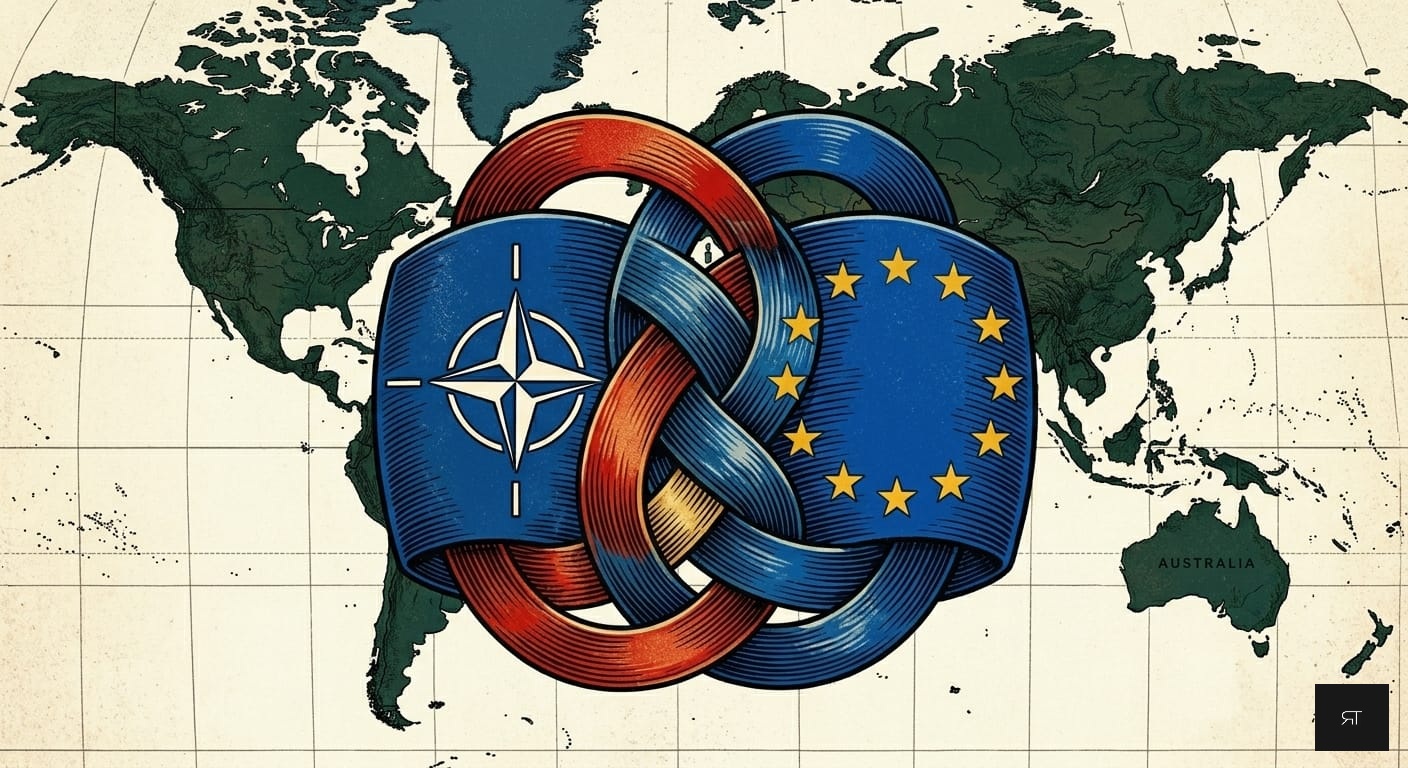
The geopolitical landscape of the 21st century is shifting rapidly, demanding a reassessment of established security structures. For decades, the European Union has relied on the North Atlantic Treaty Organization (NATO) as the bedrock of its security. This alliance provided stability during the Cold War, but in today’s multipolar world, this deep and limiting dependency on the United States is becoming increasingly untenable.
If the EU is to become a truly independent global actor, it must make the difficult but necessary decision to step out of NATO and build its own sovereign defense architecture. One of the clearest, most damaging proofs of this divergent reality can be found in the West’s fractured approach to Iran.
The Divergence of Strategic Interests and the Iran Lesson
The core of the problem lies in the fundamental strategic priorities of Washington and Brussels, which are no longer fully aligned. While the United States is increasingly focused on the Indo-Pacific region and its systemic rivalry with China, Europe’s primary security concerns remain centered on its immediate neighborhood: Eastern Europe, the Mediterranean, North Africa, and the Middle East.
This divergence is nowhere more apparent than in the catastrophic failure of unified transatlantic policy towards Iran. For decades, European powers, notably the E3 (Germany, France, and the UK), led meticulous diplomatic efforts to prevent an Iranian nuclear weapon, culminating in the Joint Comprehensive Plan of Action (JCPOA) in 2015. This agreement was hailed as a benchmark for European soft power and a critical security measure for the region.
However, the 2018 unilateral withdrawal from the deal by the Trump administration, followed by the re-imposition of crippling economic sanctions, fundamentally undermined European strategic interests. The EU was effectively held hostage by American policy. European businesses, which had started to invest in Iran, were forced to retreat, and European banks were threatened with exclusion from the US financial system.
The EU’s subsequent attempts to create alternative payment mechanisms, like INSTEX, proved ineffective, highlighting how American unilateralism can invalidate European sovereignty. The US’s “maximum pressure” campaign on Iran, far from stabilizing the region, heightened tensions, creating a direct security threat for Europe.
The lesson from Iran is clear: As long as the EU is bound within a security framework dominated by the United States, it will remain vulnerable to Washington’s policy swings. European security and economic interests are too often subordinated to American strategic goals, limiting Europe’s diplomatic flexibility and its ability to engage with critical regional actors on its own terms.
The Catalyst for Military and Technological Autonomy
True geopolitical power requires military and technological independence. Currently, European defense relies heavily on American hardware, intelligence, and command structures. This reliance creates a comfort zone that prevents the European defense industry from reaching its full potential.
Leaving NATO would serve as a forced catalyst for integration. It would compel the EU to consolidate its fragmented military capabilities, invest heavily in its own defense technology, and create a unified European command. Instead of buying off-the-shelf American systems, European capital would flow into European innovation, strengthening our technological independence and creating a robust, self-sufficient defense industrial base.
Confronting the Consequences
We must be realistic about the consequences of such a monumental shift. Transitioning away from NATO is not a step to be taken lightly. The immediate effects would be severe and demanding:
Financial Burden: The cost of replacing the American security umbrella will be immense. EU member states will need to drastically and permanently increase defense spending, diverting funds from other national budgets.
Short-Term Vulnerability: During the transition phase, the EU would experience a temporary gap in deterrence capabilities, particularly regarding nuclear deterrence and high-end military logistics.
Diplomatic Friction: A European exit from NATO would fundamentally alter transatlantic relations, likely leading to economic and political friction with the United States and non-EU NATO members like the United Kingdom.
Internal Political Division: Forging a unified European army and foreign policy will require overcoming deep-seated national interests and political resistance within the EU itself.
The Path Forward
Despite these daunting hurdles, the challenges are not insurmountable. Every complex systemic problem can be analyzed and solved with sufficient political will and strategic foresight.
For the European Union to secure its future, protect its economic interests, and stand as an equal among global superpowers, it must graduate from its historical reliance on Washington.
The path to a sovereign, secure, and technologically independent Europe will be expensive and politically fraught. However, the alternative is to remain a permanent junior partner in a changing world order.
True European autonomy is only possible outside the confines of NATO.
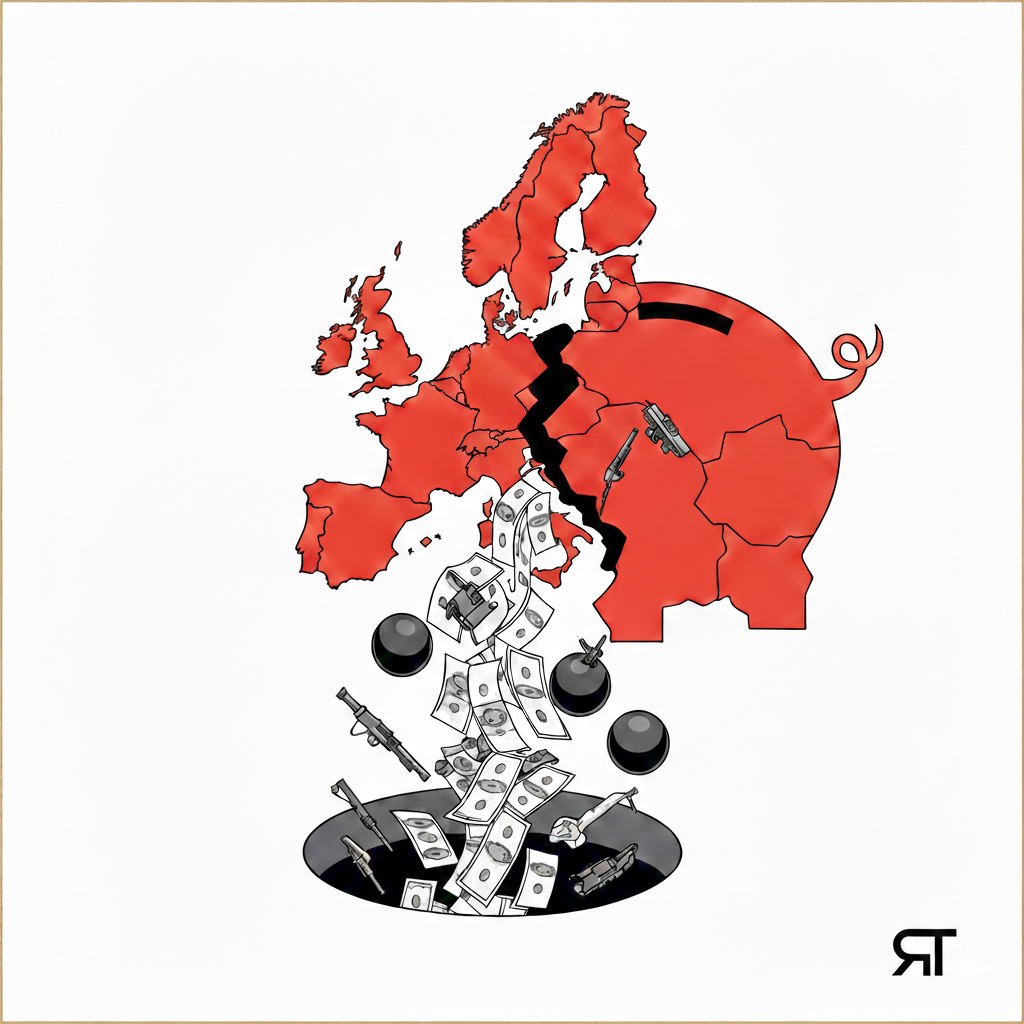
In the coming years, Europe will invest billions more in defense. Although spending is at an all-time high, experts warn of three critical mistakes that could cause these funds to evaporate without genuinely improving security.
Inefficient Procurement and Dependency
Europe now spends nearly 400 billion dollars annually on defense. Notably, Europe’s spending within the Nato alliance has now surpassed that of the United States.
However, this does not translate into proportional military capability. Due to the lack of a unified approach, each country procures its own equipment, resulting in Europe having four times as many different weapon systems as the US. Moritz Schularick of the Kiel Institute emphasizes that despite outspending America, Europe remains entirely dependent on the US.
Buying Yesterday’s Weapons
Recent exercises in Estonia revealed that European allies are unprepared for modern warfare involving drones. While significant funds are allocated to conventional weapons, venture capital investment in defense innovation like AI is eight times higher in the US. Schularick argues that Europe should stop ordering manned systems and instead invest in the autonomous military vehicles of the future.
Neglecting Diplomacy
Experts note that increased defense spending often comes at the expense of diplomacy. For every 42 euros spent on weapons, only 1 euro is allocated to diplomatic consultation. Neglecting conflict prevention and structural issues like climate change could lead to greater long-term instability and migration flows toward Europe.
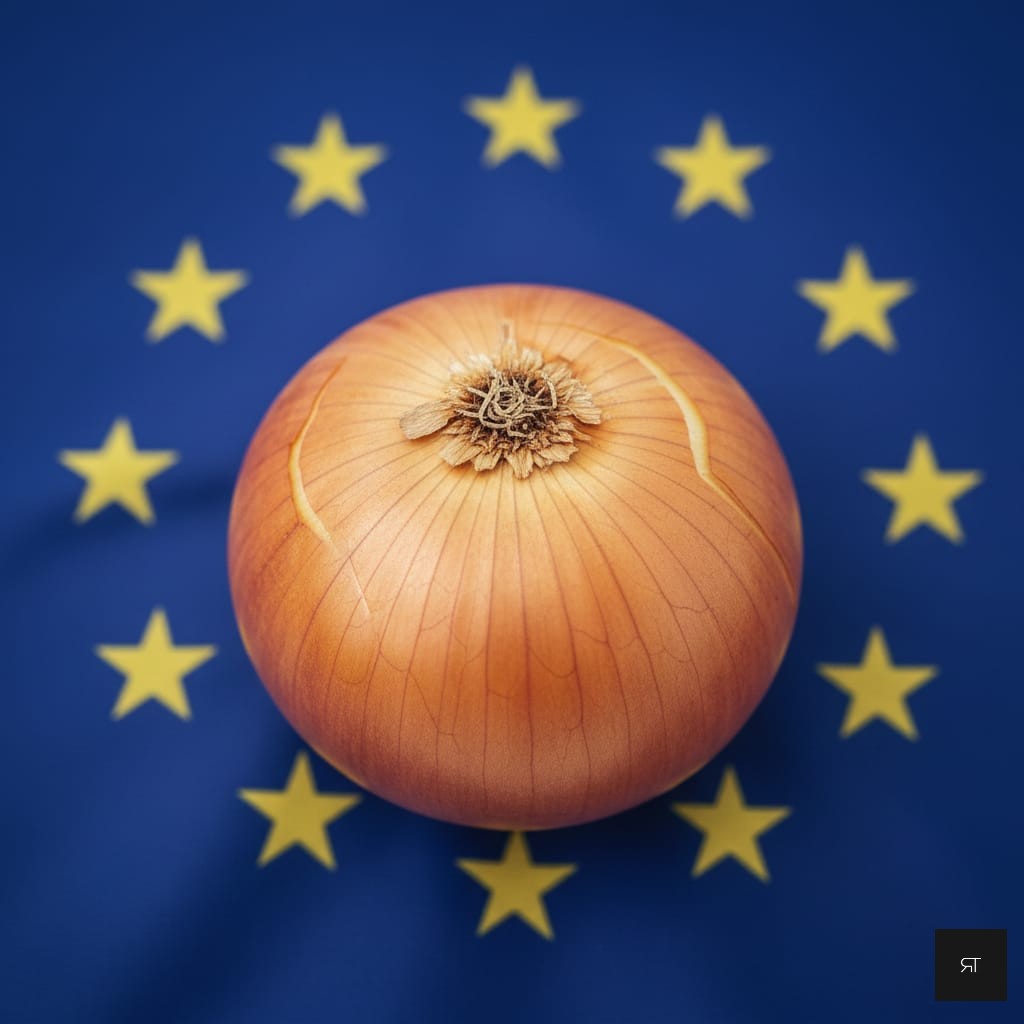
For decades, the dream of a “United States of Europe” has been the North Star for federalists in Brussels. They marched under various banners, Communities, Unions, and Councils, always pushing for a singular, synchronized leap toward integration. However, the reality of 2026 suggests a different path. We are witnessing the birth of what some playfully call the “European Onion”: a multi-layered, pragmatic model of continental cooperation.
The European Onion
Beyond the One-Size-Fits-Old Model
The traditional EU approach, where every member must move at the same speed, is increasingly hitting a wall. In a geopolitical climate that demands rapid responses, the “slowest member” rule has become a liability. Whether it is military autonomy, trade policy, or technological independence, Europe can no longer afford to wait for total consensus.
The “Onion” metaphor, popularized by Belgian Prime Minister Bart De Wever, envisions a Europe of concentric circles:
The Core (The Kernel): A pioneering group of “heavy hitters”, like the E6: France, Germany, Italy, the Netherlands, Poland, and Spain, pushing for deeper economic and military integration.
The Inner Layers: Countries participating in the Single Market and Schengen but perhaps opting out of certain federalist deeper dives.
The Outer Layers: Strategic partners like Ukraine or even the UK, who require a functional relationship with the bloc without immediately meeting every rigid bureaucratic standard.
Pragmatic Federalism in Action
We are already seeing this “variable geometry” take shape. When financial aid or security measures are blocked by a small minority, “coalitions of the willing” simply move forward. This is not about creating second-class citizens; it is about pragmatic federalism.
History shows that where pioneers lead, others eventually follow. The Euro and the Schengen Area both started as smaller projects before becoming continental standards. By allowing a vanguard to forge ahead, we prevent the entire European project from ending in tears due to inertia.
If the current structure of the EU is too rigid for the modern world, we must be bold enough to peel back the layers and redesign it. A multi-speed Europe is not a sign of weakness; it is a strategy for survival.
Manage Cookie Consent
To provide the best experiences, roelthijssen.nl uses technologies like cookies to store and/or access device information. Consenting to these technologies will allow us to process data such as browsing behavior or unique IDs on this site. Not consenting or withdrawing consent, may adversely affect certain features and functions.
Functional
Always active
The technical storage or access is strictly necessary for the legitimate purpose of enabling the use of a specific service explicitly requested by the subscriber or user, or for the sole purpose of carrying out the transmission of a communication over an electronic communications network.
Preferences
The technical storage or access is necessary for the legitimate purpose of storing preferences that are not requested by the subscriber or user.
Statistics
The technical storage or access that is used exclusively for statistical purposes.The technical storage or access that is used exclusively for anonymous statistical purposes. Without a subpoena, voluntary compliance on the part of your Internet Service Provider, or additional records from a third party, information stored or retrieved for this purpose alone cannot usually be used to identify you.
Marketing
The technical storage or access is required to create user profiles to send advertising, or to track the user on a website or across several websites for similar marketing purposes.